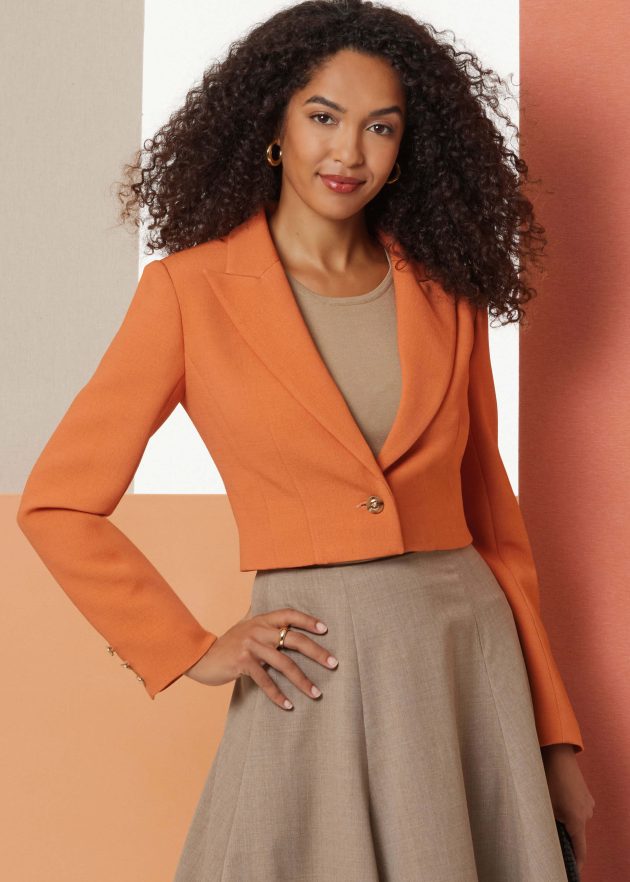
Fabric Focus: Sewing with Wool
Thinking about how sustainable your sewing is can be a small way to contribute to larger environmental goals. Yes, it’s key to reduce waste and invest in quality but one helpful question you can ask is about the fabric you use. Natural fibres are the best you can sew with and knowing where your fabric was made can be very enlightening to ensure fair working practices and ethical production. This makes wool perfect to sew with.
THE BENEFITS OF WOOL
Renewable and biodegradable
Wool is a protein fibre formed in the skin of sheep and is thus one hundred percent natural. As long as there is grass to graze on, every year sheep will produce a new fleece; making wool a renewable fibre source. And did you know that wool not only biodegrades quickly in soil, adding nutrients back to the earth, but also in the ocean and water? Therefore, wool does not impact the planet with microfibre and plastic pollution.
Insulating and breathable
Wool is a hygroscopic fibre. The natural crimp of wool fibres form millions of tiny pockets of air. As air humidity rises and falls, the fibre absorbs and releases water vapour – without compromising insulation.
Durable, resilient and elastic
Wool fibres are naturally elastic and can stretch up to 30 per cent of their length without permanent deformation or weakening. Wool is also highly absorbent, so it dyes richly and remains colourfast during wear and laundering, maintaining its appearance long term.
Easy care and stain resistant
The protective waxy coating on wool fibres makes wool products resistant to staining and they also pick up less dust as wool is naturally anti-static. Wool is naturally odour-resistant and with wool settings now on every washing machine, it’s no longer hand-wash only.
A safe solution
Wool absorbs UV radiation providing protection from the sun, making it a good choice for a wide range of outdoor activities. Also, thanks to its high water and nitrogen content, wool naturally resists burning. It is the most flame-resistant of the major fibre types and will generally self- extinguish once the source of heat is removed.
Sewing tips for wool
From tweed to crepe, coating and sweater knits – wool can be found in a range of weights and drapes for dressmaking. Traditionally used for outerwear and suiting, you can also make chic dresses, skirts and tops. For sewing success choose patterns designed for wool fabrics.
Depending on how coarse your wool is you may find it beneficial to use a ballpoint needle during construction to avoid snagging. If your wool has been knitted into a wool jersey or mixed with elastane this will be essential.
To avoid prewashing wool coating, you can steam shrink it by hovering a hot iron above the surface of the wool and steaming the fabric methodically to tighten up the fibres and prepare it for wet weather.
Wool fabrics can get quite bulky so using a pressing cloth and wooden clapper can be helpful to reduce bulk without marking your fabric. The clapper is placed on top of your garment after pressing a seam to hold the heat in the fabric and ensure a better press. Worsted wool like flannel or suiting is a very effective pressing cloth for wool fabrics.
Find out more about wool at www.campaignforwool.org
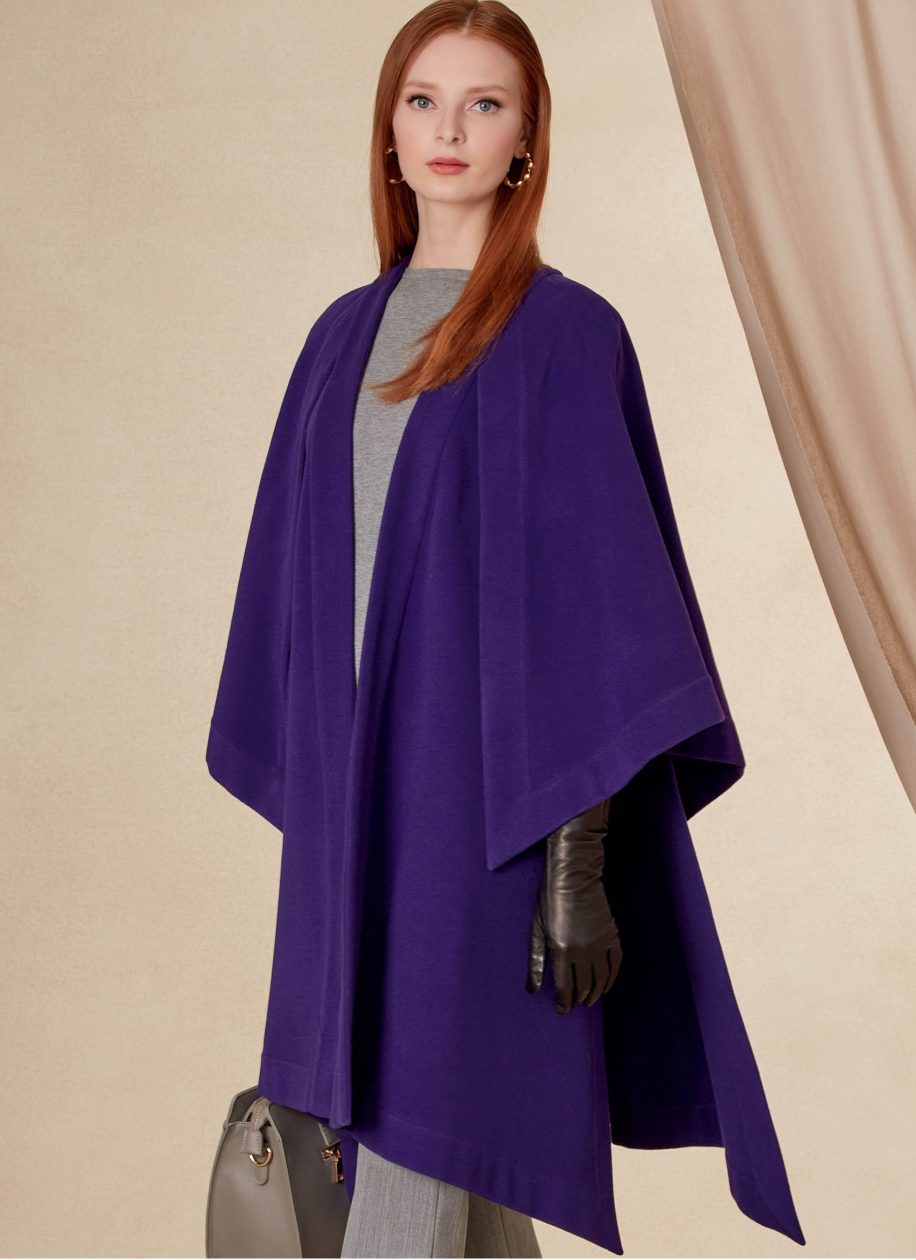
Tom and Linda Platt, V1773, cape. Recommended fabrics include Mediumweight Woollens, and Cashmere Blends
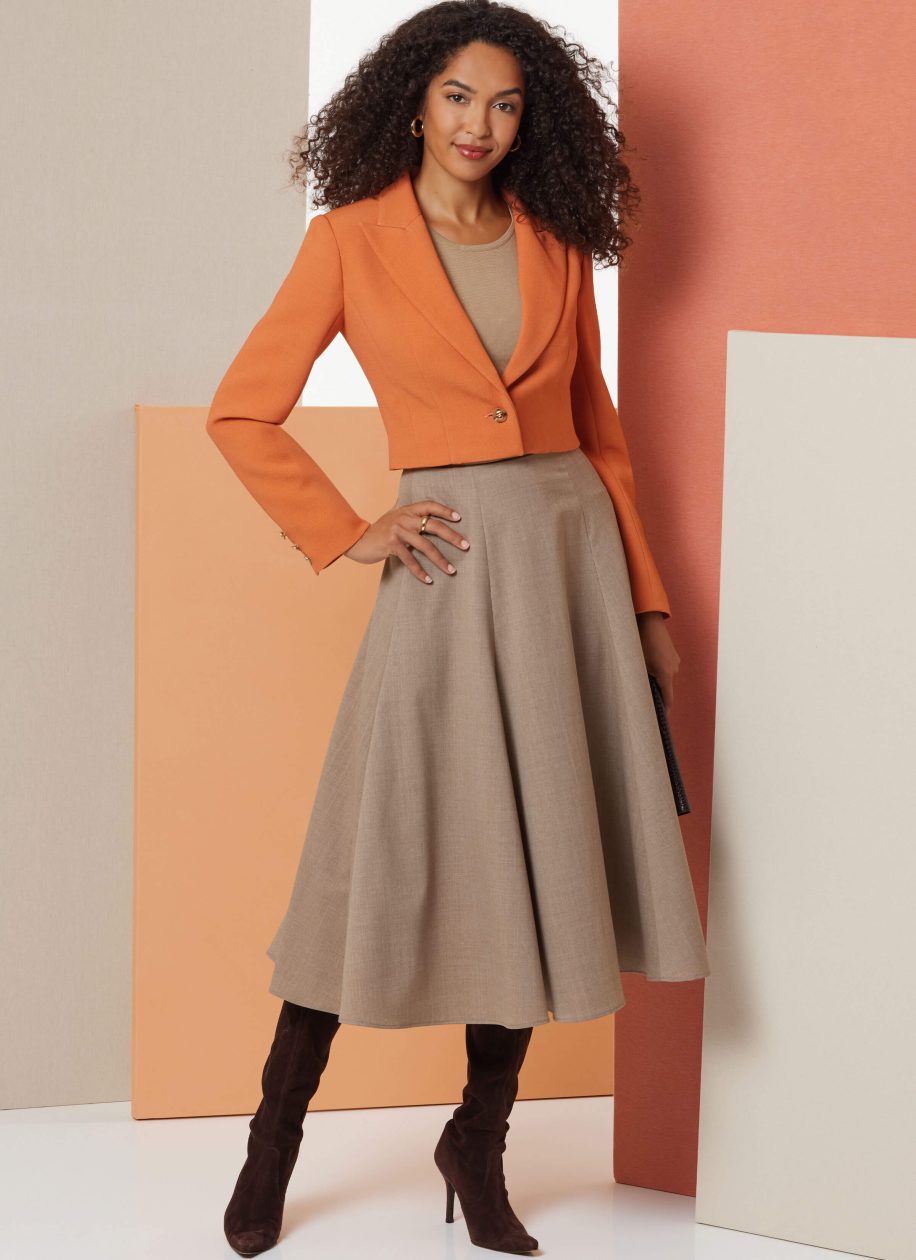
B7012 Cropped jacket and flared skirt. Recommended fabrics include Wool Blends and Wool Suiting.
-
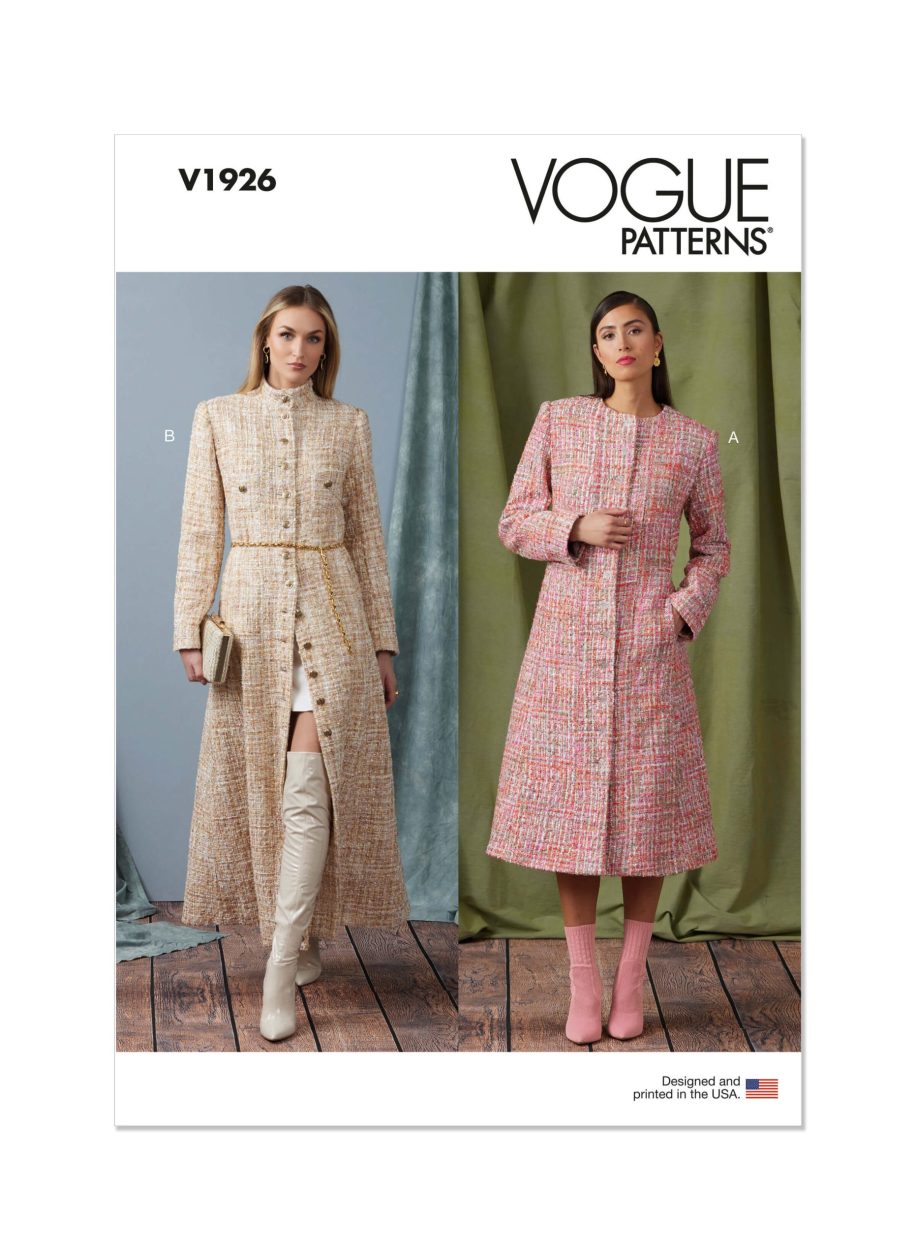
Vogue Patterns V1926 Misses’ Coat
-
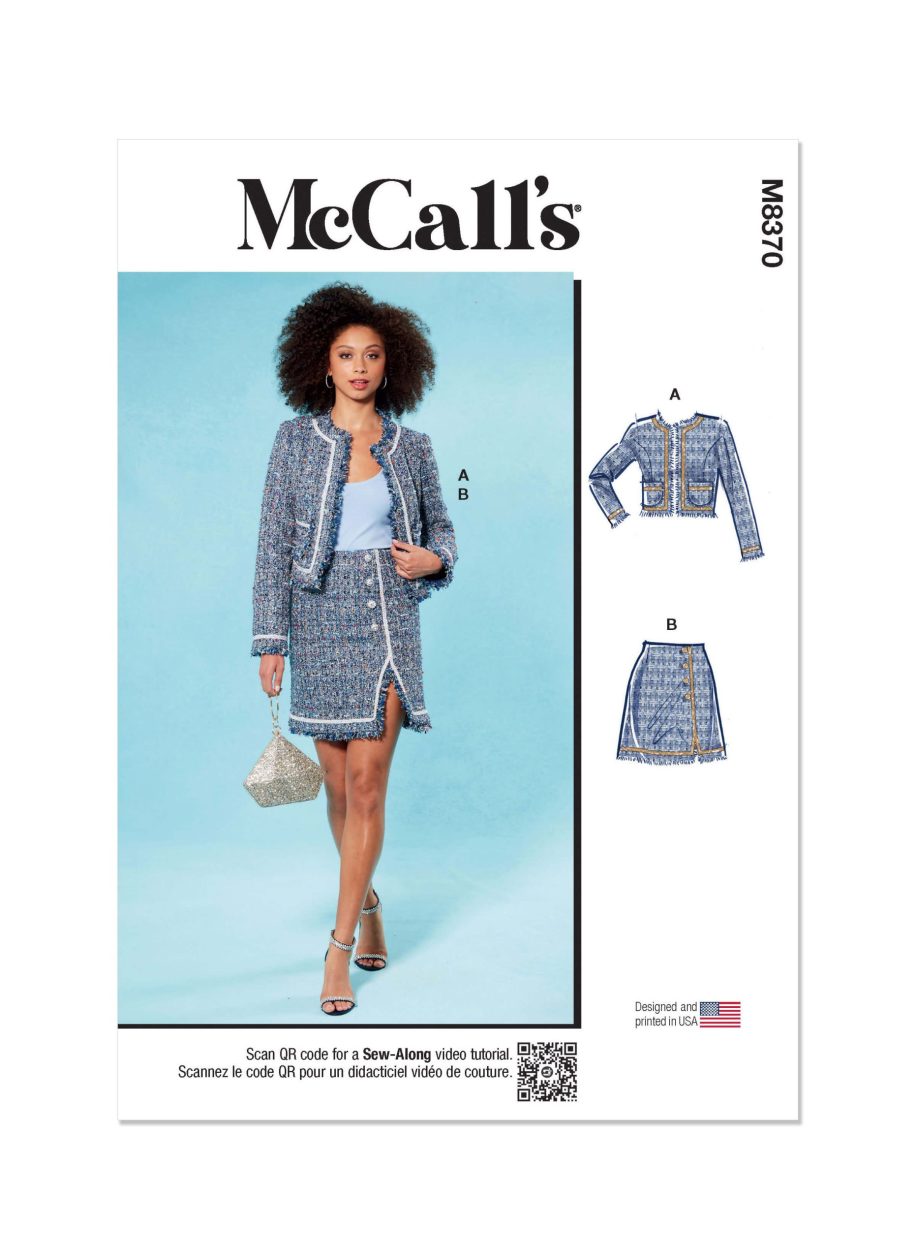
McCall’s Sewing Pattern M8370 Misses’ Jacket and Skirt
-
Butterick Sewing Pattern B6385 Misses’ Lisette Funnel-Neck, Peter Pan or Pointed Collar Coats
-
Vogue Patterns V2018 Misses’ Jacket, Skirt and Trousers
-
Simplicity Sewing Pattern S9376 Misses’ Pull-on Trousers
-
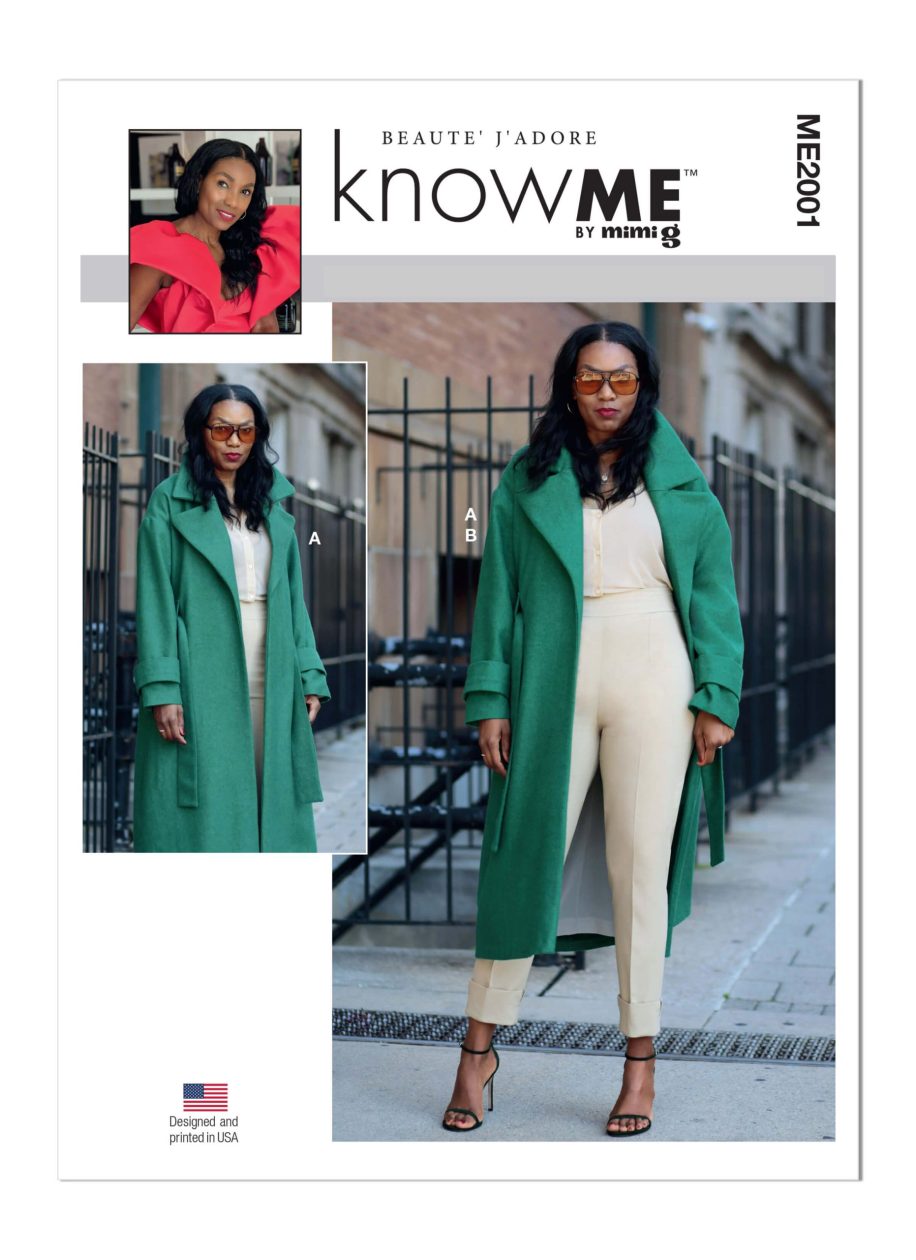
Know Me Sewing Pattern ME2001 Misses’ and Women’s Coat and Trousers by Beaute’ J’adore
-
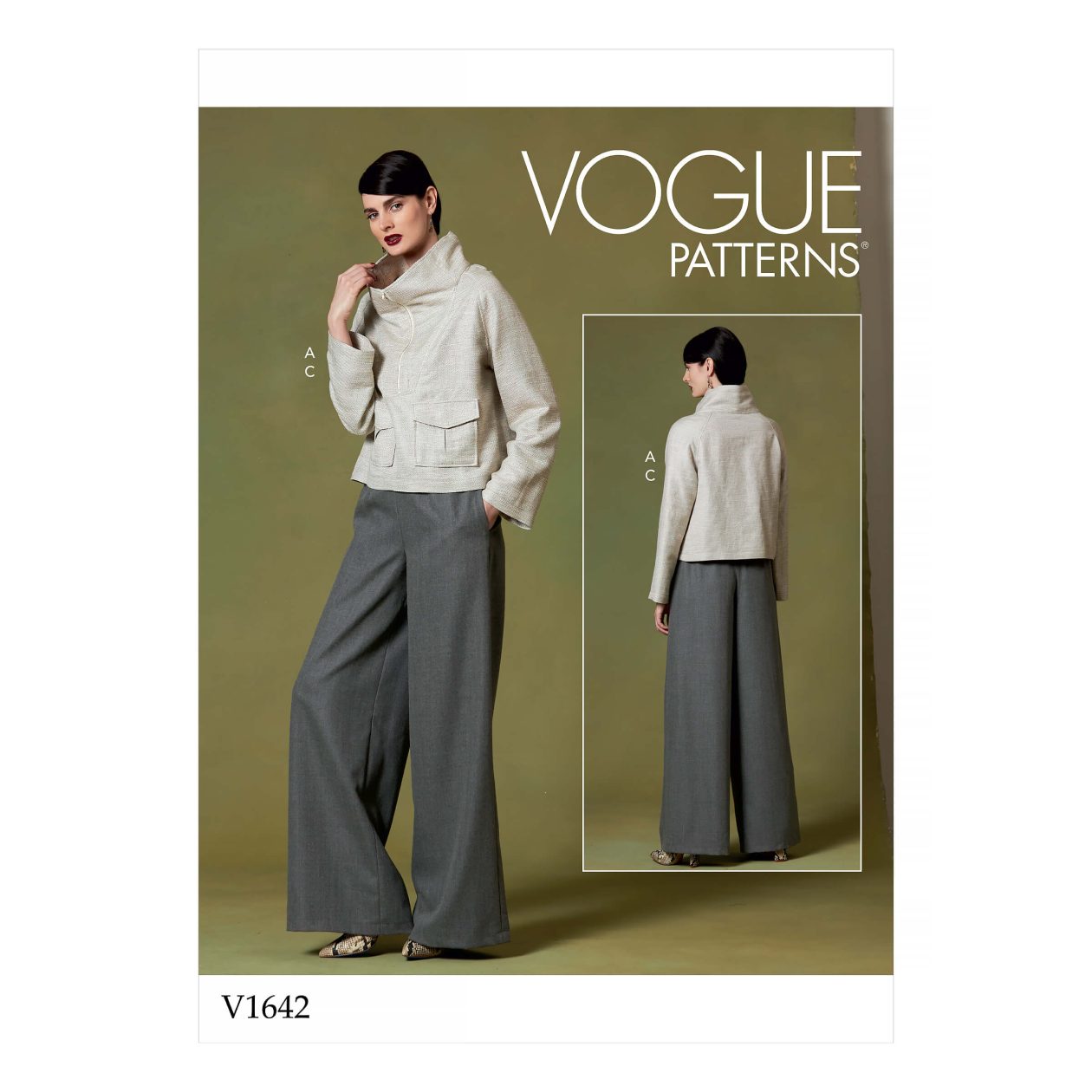
Vogue Patterns V1642 Misses’ Top and Trousers
-
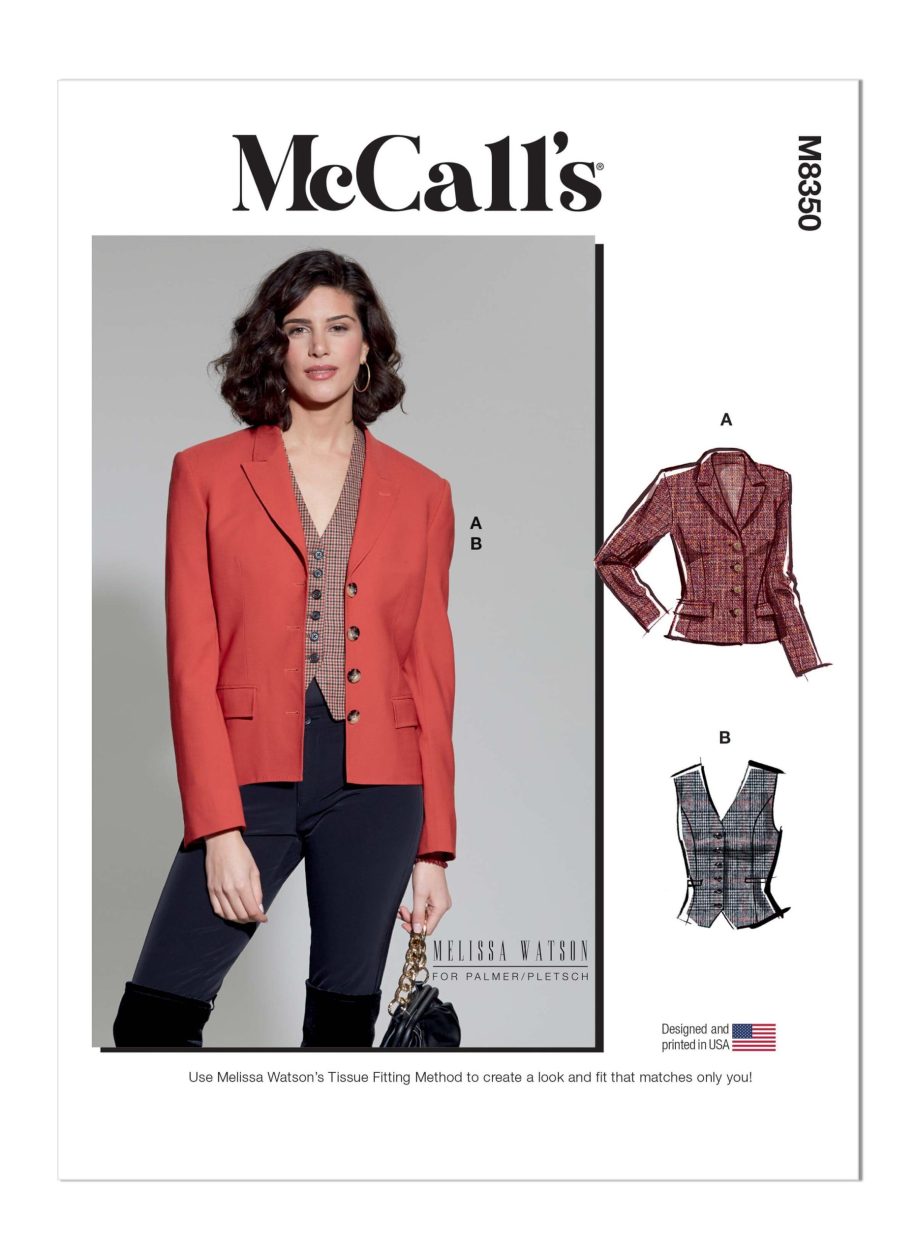
McCall’s Sewing Pattern M8350 Misses’ Blazer and Waistcoat by Melissa Watson
-
McCall’s Sewing Pattern M8529 Misses’ Shift Sheath Dress with Sleeve Variations
-
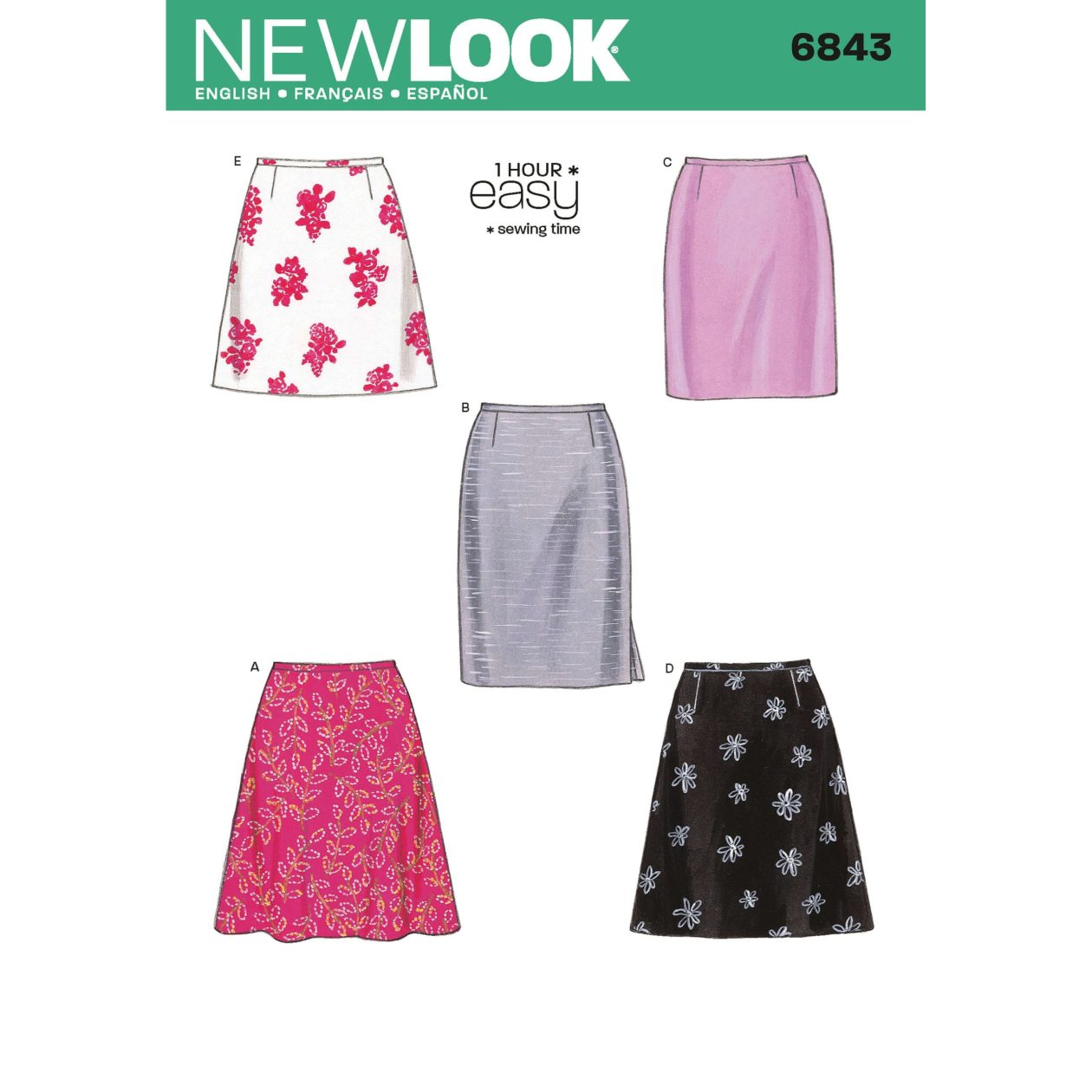
New Look Sewing Pattern N6843 Misses’ Skirts
-
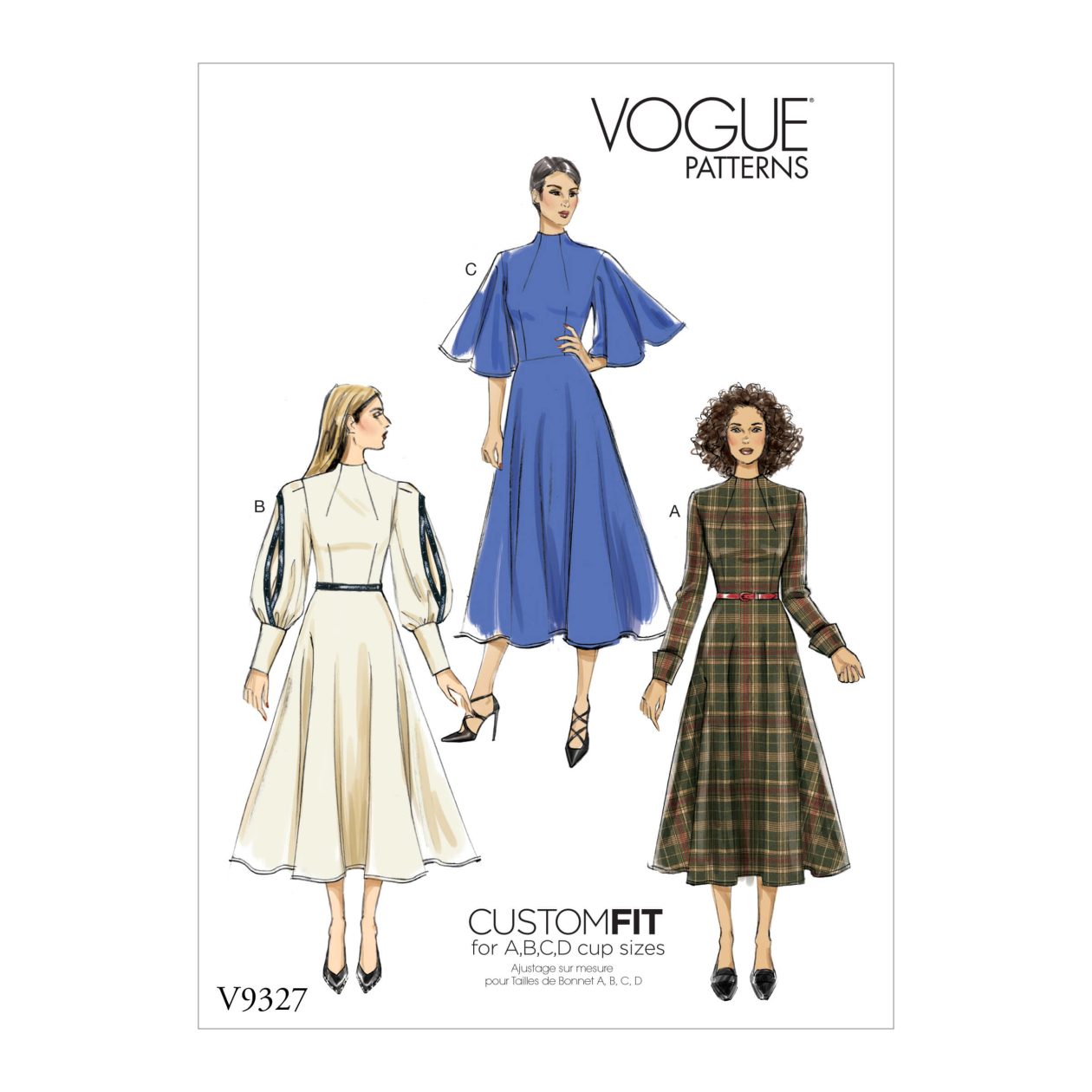
Vogue Patterns V9327 Misses’ Dress
-
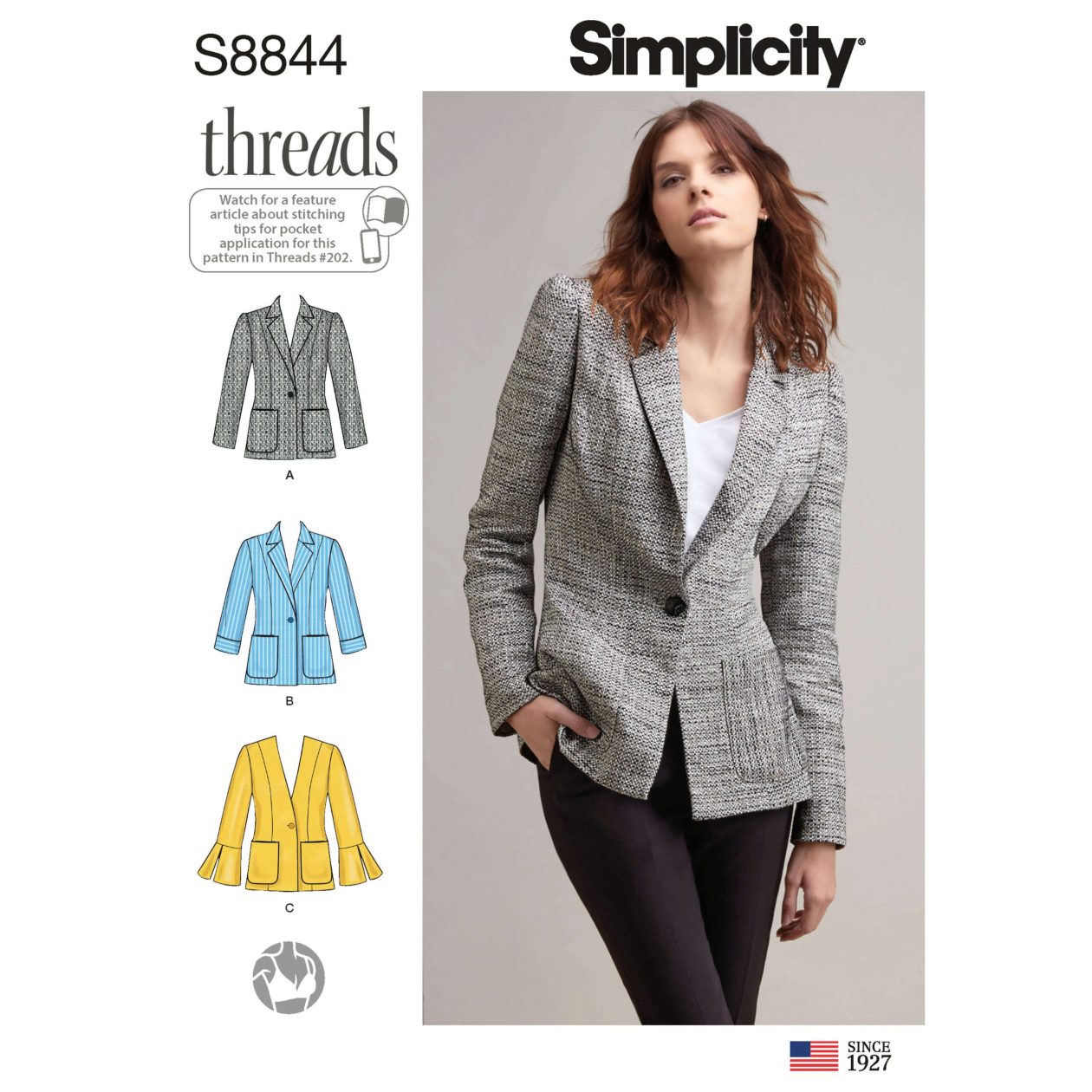
Simplicity Pattern S8844 Misses’/ Miss Petite Unlined Blazer or Jacket