
Pleats and pintucks
Pleats are a clever construction method to create decoration and design, and add or hide fullness. You can easily hand pleat fabric yourself following the markings and direction arrows on your pattern pieces. These pleats are usually secured with a line of stitching along the top and a firm press down the length of each pleat. An alternative is to buy machine pleated fabric such as plisse which is a method of permanent pleating.
KNIFE AND ACCORDION
Knife pleats (Flat Pleats)
These are firmly pressed handmade pleats. One side of a knife pleat will usually be shorter than the other. the pleats have one side (usually over pleat) longer than the other (Under pleat).
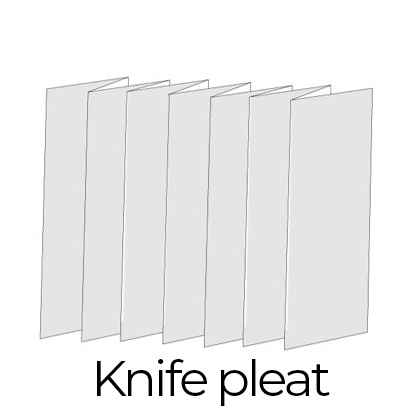
The under pleat will usually be half of the width of over pleat and this way the whole thing will lie flat. Knife pleats are mostly seen all around the waistband of skirts or dresses and usually which are all facing one direction.
Accordion Pleats
Accordion pleats are very similar to knife pleats but are symmetrical and usually narrower. Each side of the pleat will be of the same width. These are usually machine made with chemical treating so the pleats remain permanent even after washing and ironing.
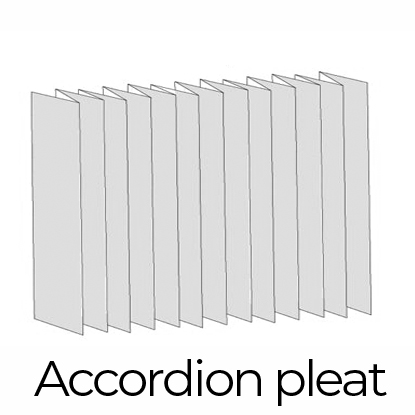
Now you may be thinking aren’t these the same as pintucks? Similar… Pintucks create the look of accordion pleats. You start by pressing a fold in the fabric wrong sides together just like an accordion pleat, then a row of stitching parallel to the edge holds the fold in place. You repeat multiple times at equal distances and then the pintucks are then commonly pressed in the same direction. Sometimes pintucks can be pressed in alternating directions to create eye-catching designs.
BOX AND INVERTED
Box pleats
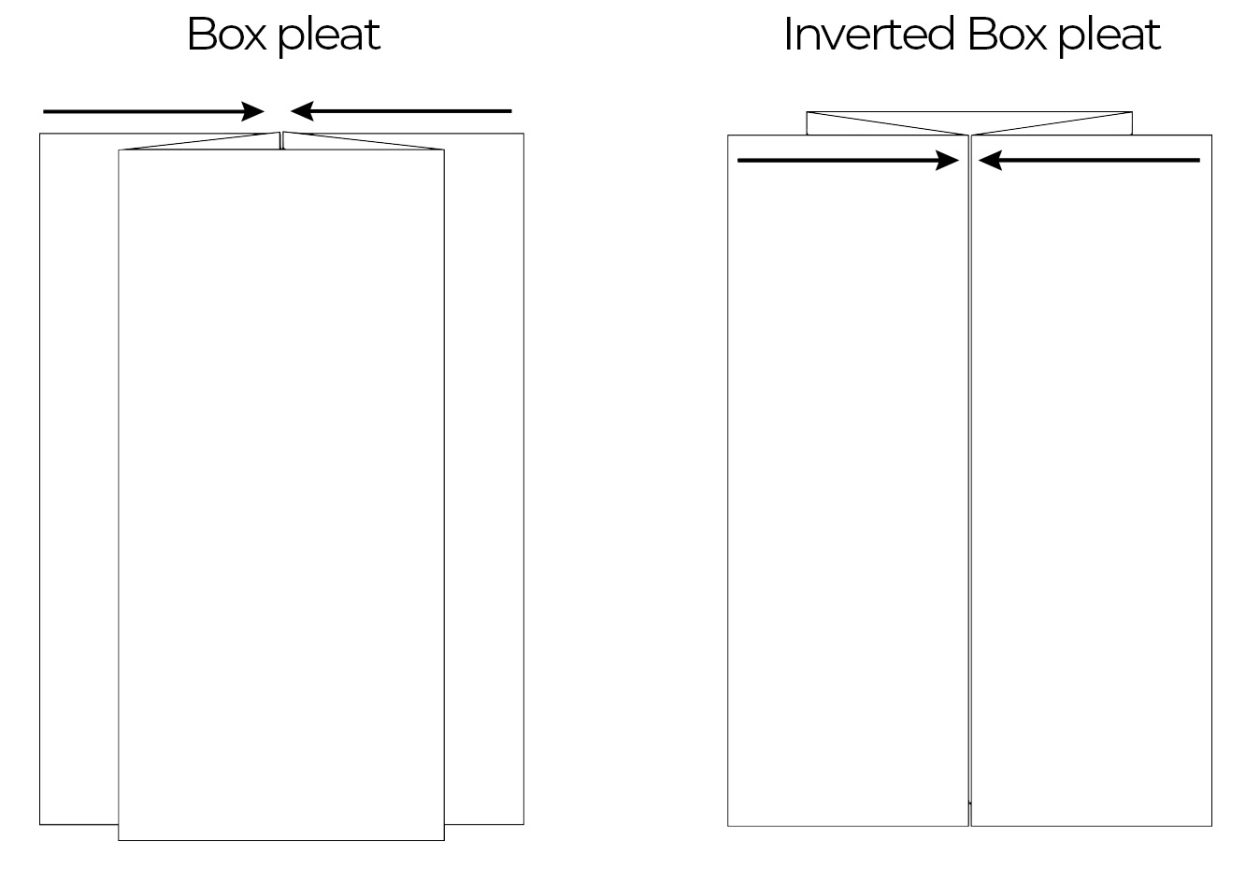
Box pleats are basically knife pleats formed in opposite directions. These pleats are rectangular in shape and are often pressed in the full length of a skirt. A box pleat works well if you want to eliminate waist darts or can be used on the lining of a darted pencil style to offset bulk on the inside and allow the lining to move a little more freely inside the skirt.
Inverted pleats
These pleats are formed by placing two knife pleats facing each other. You can also call it a box pleat inside out.
Box and inverted together
It’s very common to make rows of box pleats that actually form inverted pleats between them. It’s a great way to add volume at the hem while keeping the waist line un-gathered. It also works well on decorative sleeves or hems.
Kick pleats
There are two types of kick pleat that are really just a fancy inverted pleat. The most common is a hem vent kick pleat on a close-fitting skirt. The centre back seam is split with pleated fabric behind the opening to add fullness where you need to walk. You can also see kick pleats where the folded edge is sewn down for most their length before being released at the lower edge to allow the movement. Clever right?

Box and Inverted pleats are often staggered together (Check out the sleeve detail on McCall’s 8161)

Practice your kick pleats with McCall’s 8004

The box pleat on the McCall’s 7952 dress is as cool as ice cream
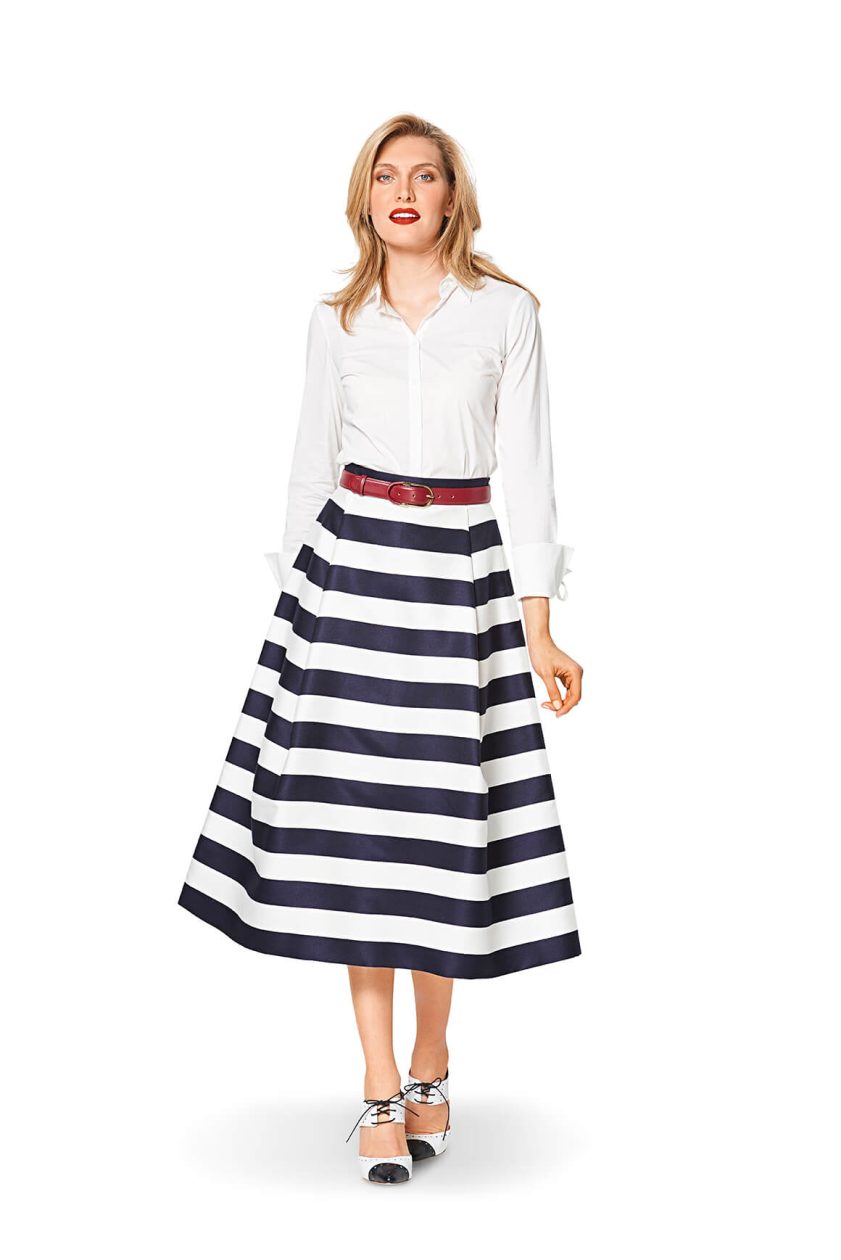
Burda 6342 adds flare with a large box pleat front
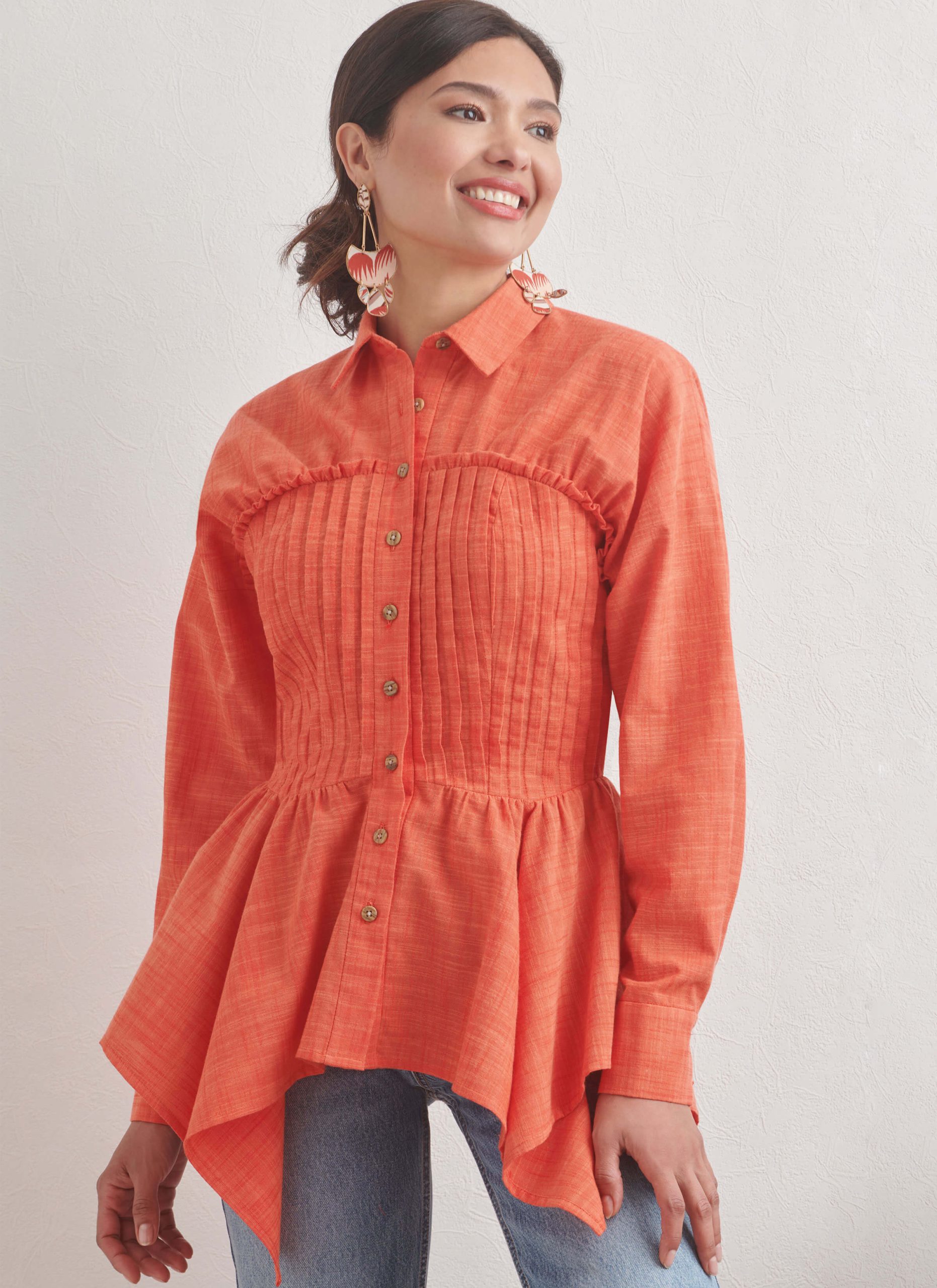
Simplicity 9821 reinvents the tuxedo bib shirt
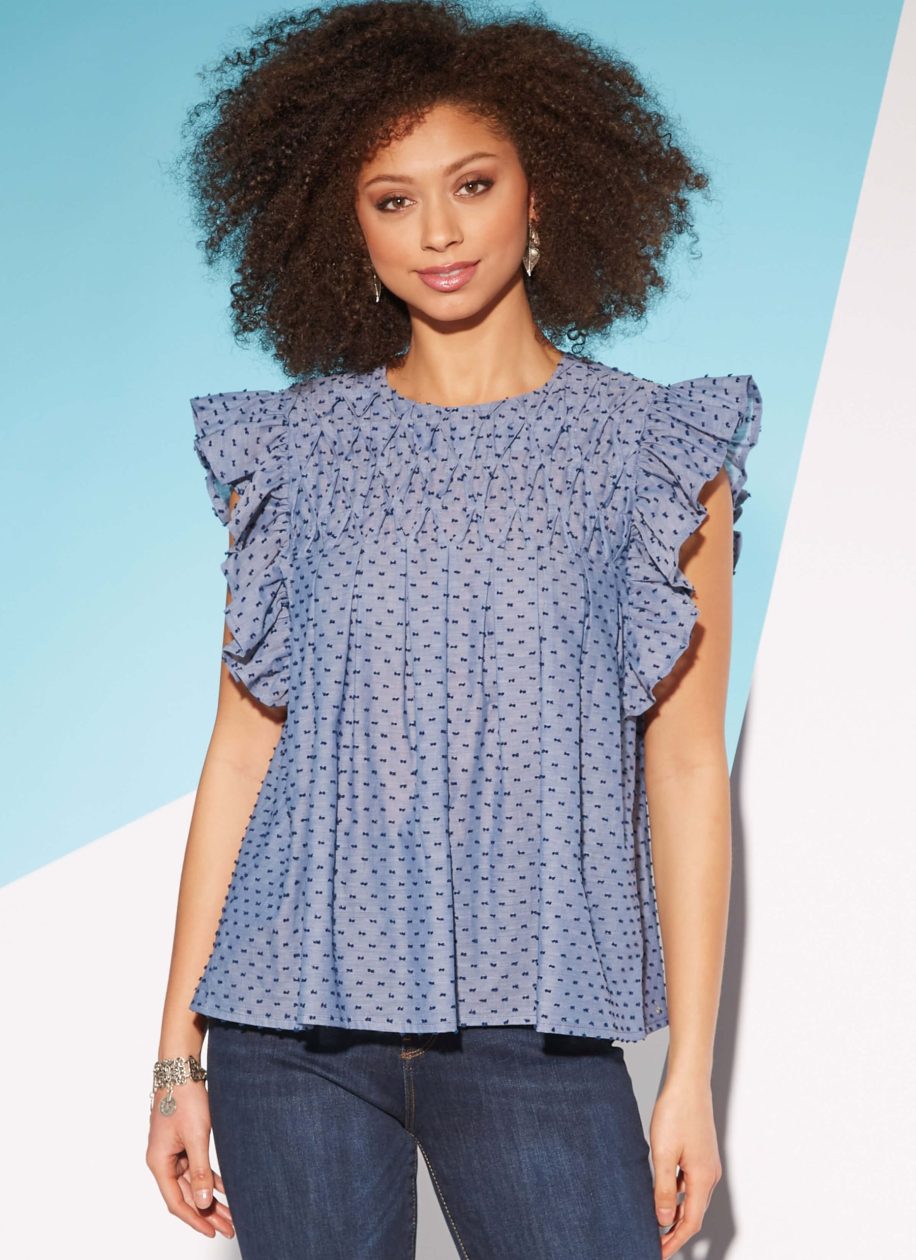
McCall’s 8325 uses undulating pintucks to create an eye-catching yoke
See the bestselling pleated sewing patterns from our range:
-

Simplicity Sewing Pattern S9826 Misses’ Trousers in Two Lengths, Camisole and Cardigan
-
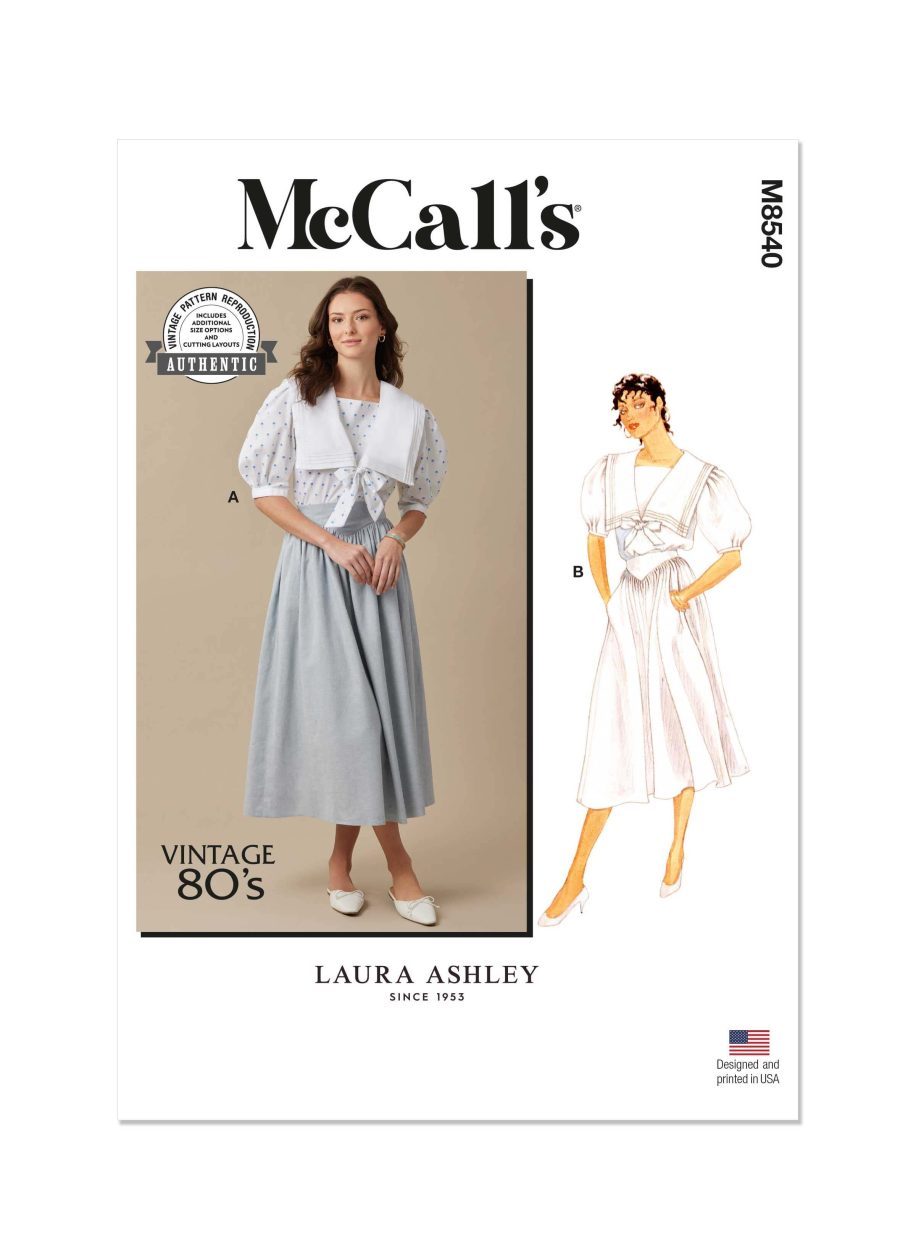
McCall’s Sewing Pattern M8540 Misses’ Top and Skirt by Laura Ashley
-

McCall’s Sewing Pattern M8011 Misses’ Jackets
-
McCall’s Sewing Pattern M8099 Misses’ Skirt and Trousers
-
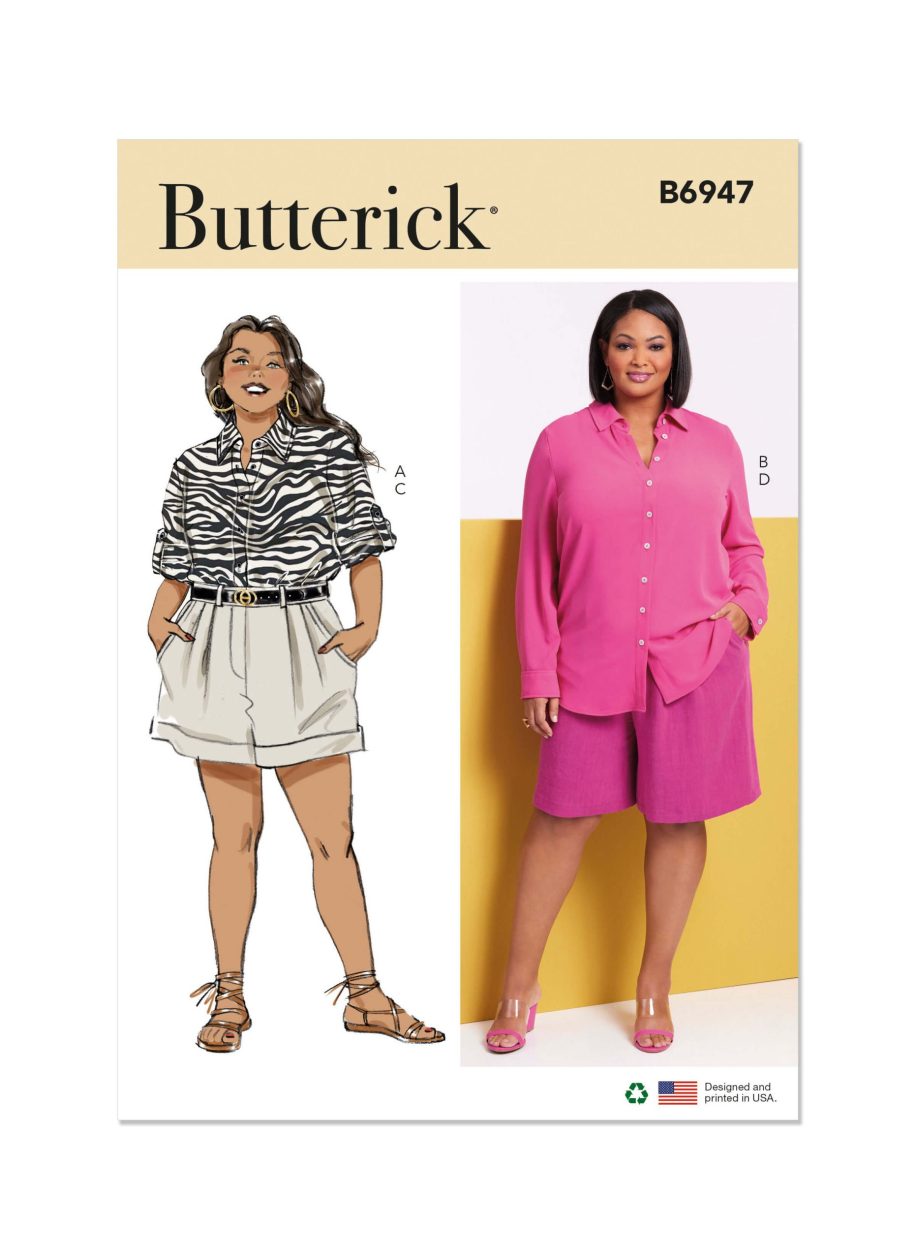
Butterick Sewing Pattern B6947 Women’s Shirts and Shorts
-
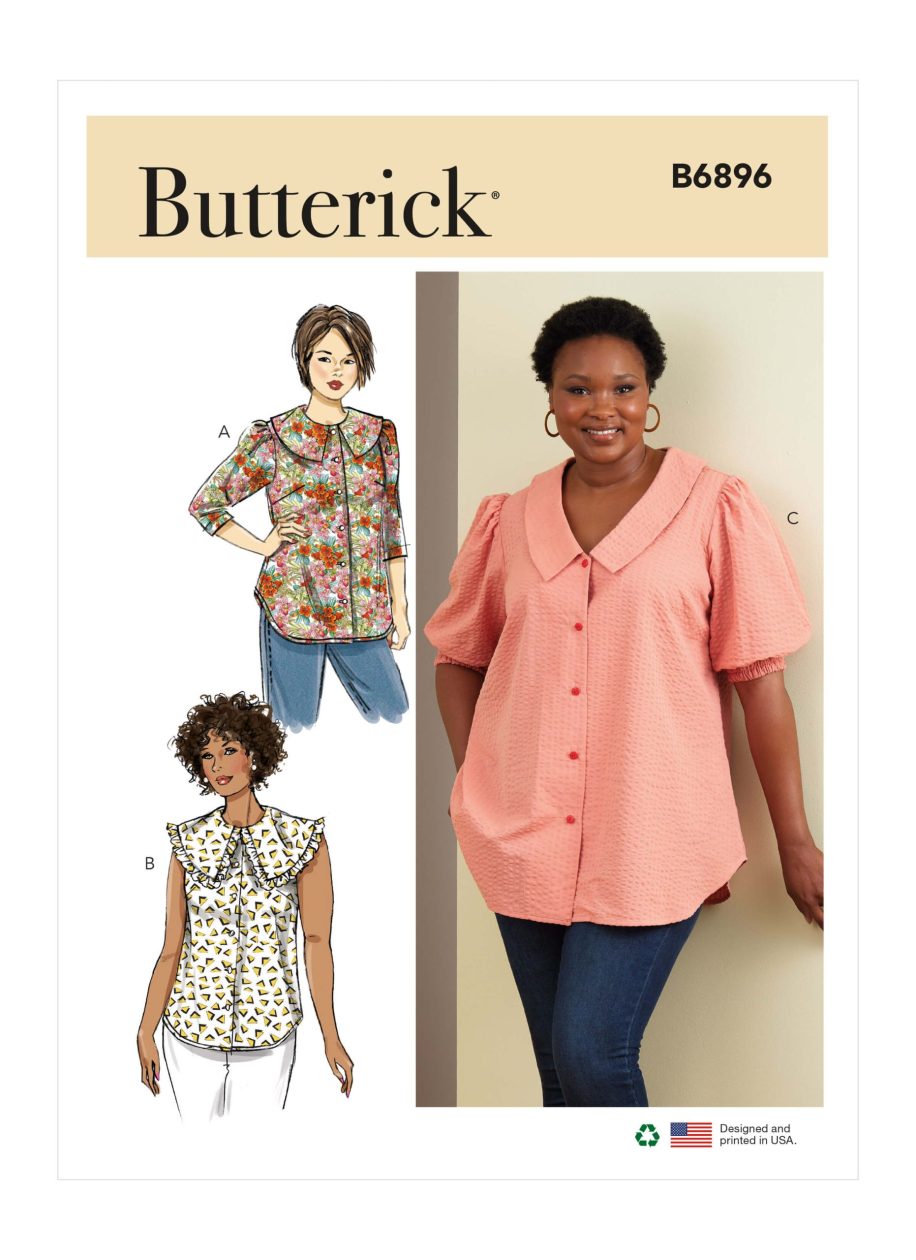
Butterick Sewing Pattern B6896 Women’s Top
-
Simplicity Sewing Pattern S9849 Misses’ Dress with Skirt Variations
-
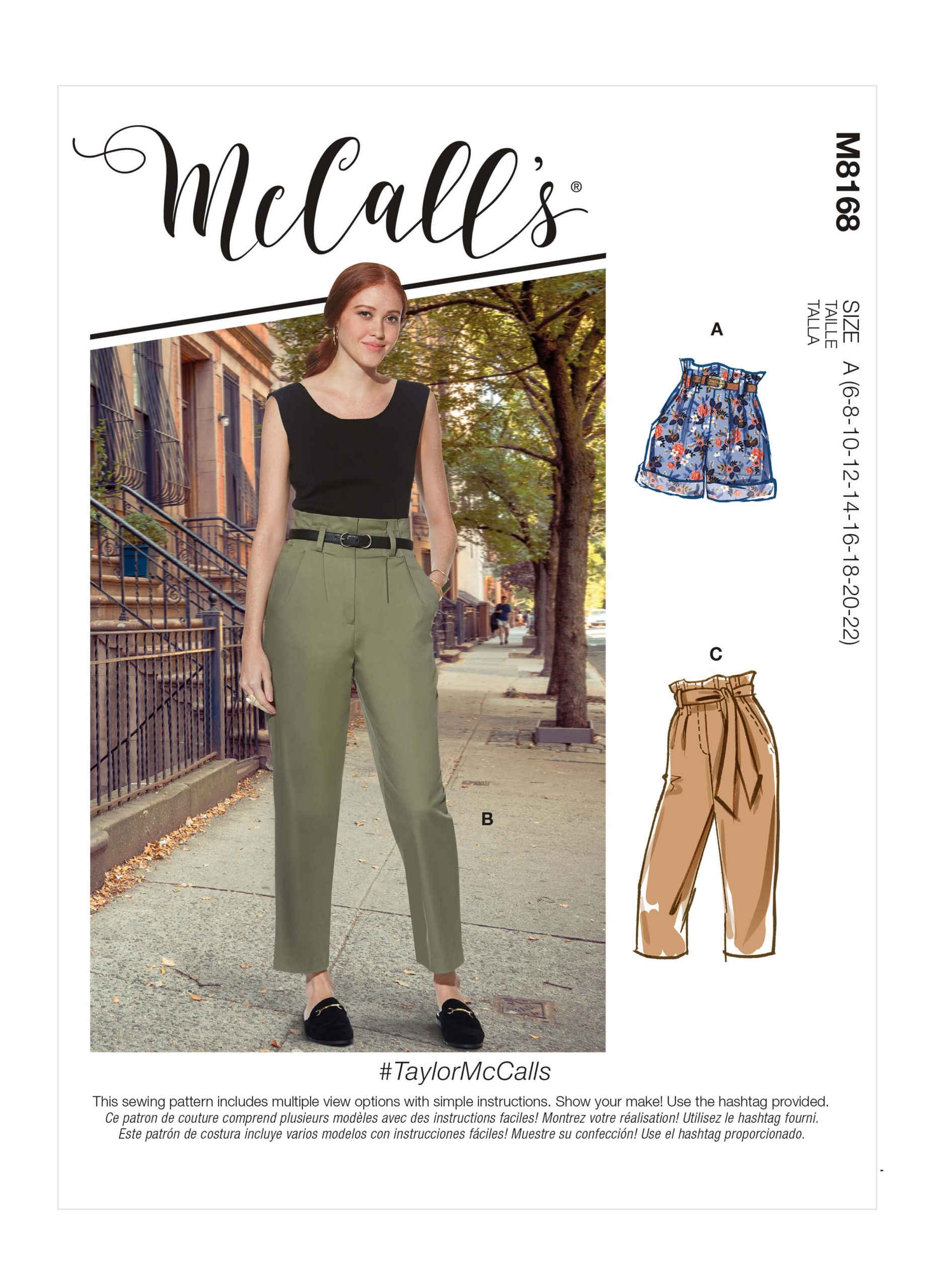
McCall’s Sewing Pattern M8168 Misses’ Skirt and Trousers
-
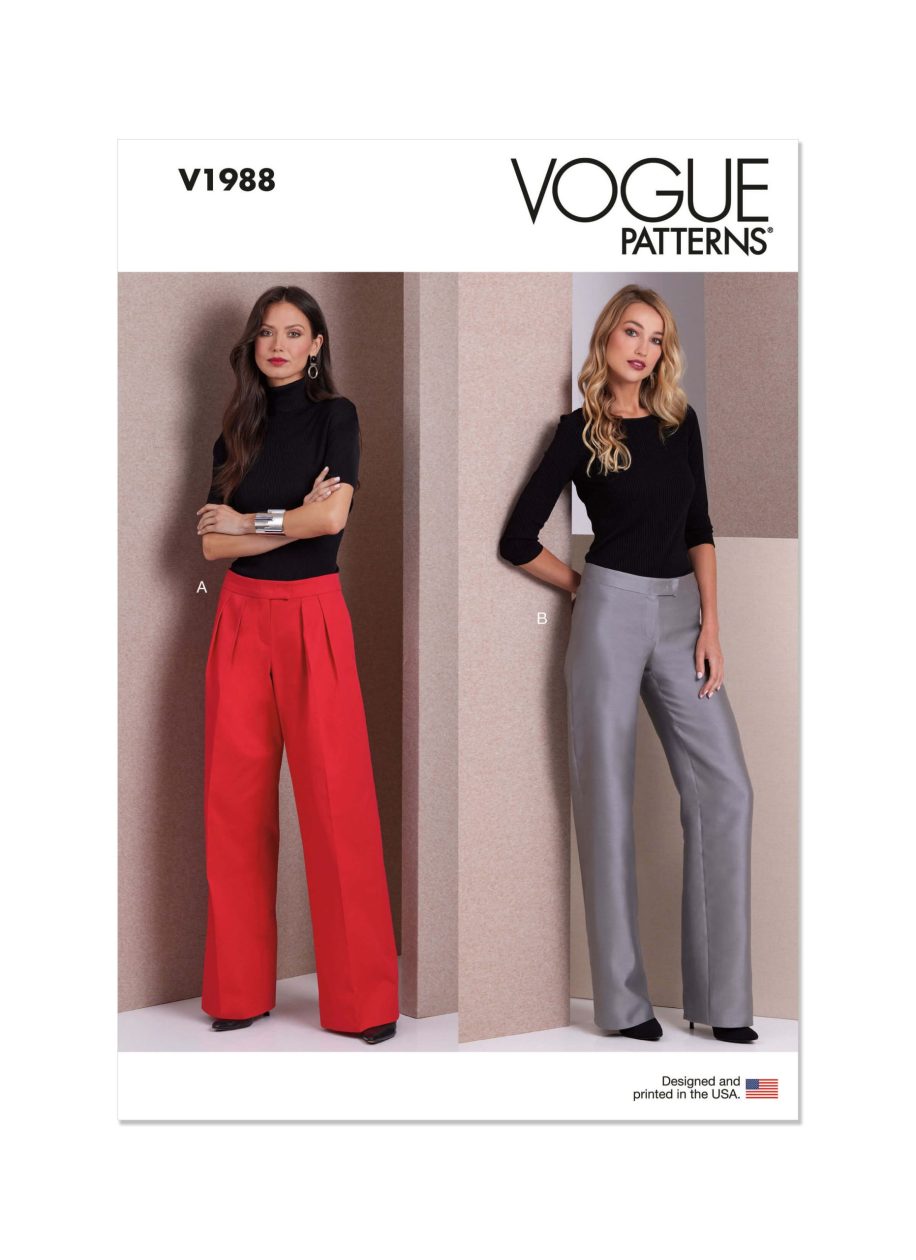
Vogue Patterns V1988 Misses’ Pleated Trousers