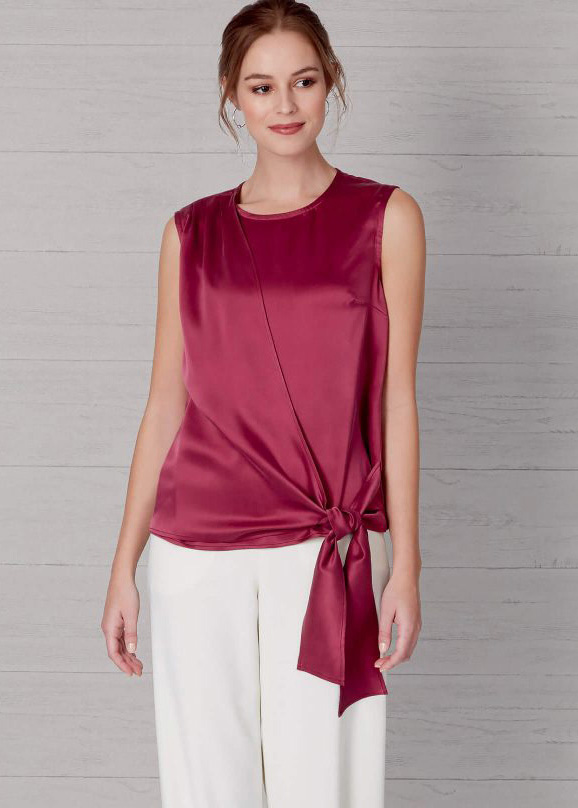
How To Sew With Satin
Did you know Satin can be made from silk, polyester, acetate, nylon, or blends of these fibres! They each result in different levels of sheen, stability, drape and of course, cost. Satin is actually named for it’s type of weave rather than the fibres used to create it – this weaving technique arranges the fibres in a way that pushes more threads to the surface of the fabric for a soft and shiny result.
We have a huge range of sewing patterns for Satin but first let’s look at the skills you’ll need
Core Techniques For sewing Satin Fabrics
Pre-washing
You should pre-wash your satin fabric on a cool wash setting and hang as flat as possible to dry.
Layout
Use a single or double thickness layout with right sides together.
It’s important to use a “with nap” layout for satin – this is often overlooked as satin shines differently and has a subtle change in colour when worn in each direction. You may end up with dark patches on your garment if one piece is cut in a different direction to the rest!
Lay out the fabric on a large area for cutting out and roll up any excess so it doesn’t hang over the edge of the table and distort the grain. Slippery fabrics like Satin can seem to have a life of their own and always wants to slink off your cutting table or off the table by your machine. This pulling and moving can stretch out the fabric so choosing a simple sewing pattern style with minimal seams helps if you’re short on worktop space.
Pin only within the seam allowances and consider using a rotary cutter or serrated blade shears to avoid the fabric slipping any more than necessary.
Sewing
Use a standard universal point needle in a light to medium weight size, such as size 70/10 H to 80/12 H (Schmetz) or size 10 to 12 (Singer).
Stitch with fine cotton-covered polyester thread and set your machine for a slightly smaller stitch length than usual – about 10 to 15 stitches per inch.
Increasing the pressure on the presser foot may be helpful with some lightweight satins. You might also like to use a walking foot for more control!
Seam options for sheers include a double-stitched seam and French seam.
Interfacing and pressing
The shine on satin is very easily damaged by high heat and you don’t want to choose a beautiful glossy fabric only to end up with a dull finished garment. Or worse, a random dull patch on your finished outfit. Keep the heat low, press from the back of the work and consider using a pressing cloth.
Use soft and light interfacing so it doesn’t interfere with the fabulous drape of the fabric but still holds the shape you need. Just be careful not to scorch or damage your fabric with a too high setting on your iron.
Stretch on the bias
If you’re not familiar with the bias of fabric, this is the diagonal grain line, running at a 45 degree angle to the selvedge. The bias is stretchy on any fabric, but more so with slinky fabrics like Satin which is already a very fluid fabric, so if you’re making a dress or skirt with a curved hem let the fabric drop overnight and trim the skirt back into shape before hemming.
Don’t forget, you can actively pick a bias cut sewing pattern where you enjoy all the benefits of bias cut fabric!
Pattern Inspiration
-
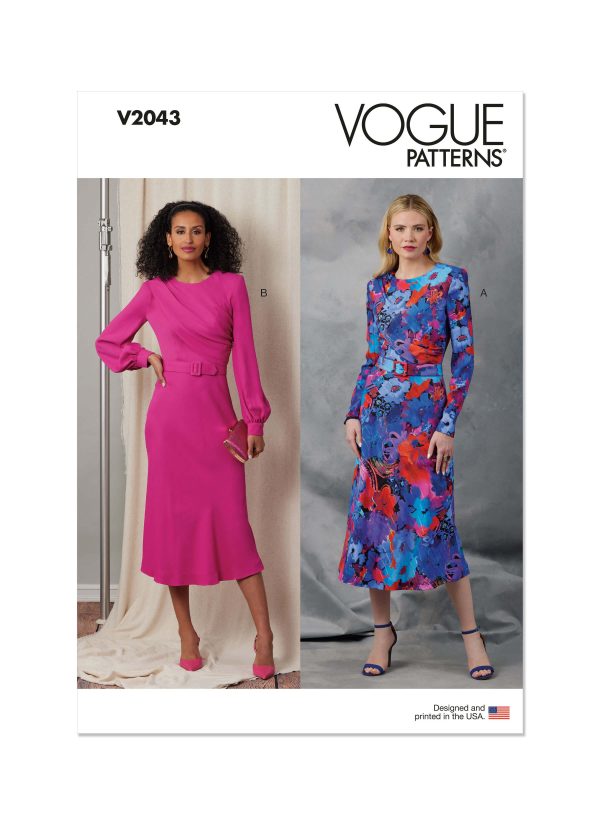 Vogue Sewing Pattern V2043 Misses’ Dresses and Belt
 -
 Simplicity Sewing Pattern S3001 Misses’ Dresses
 -
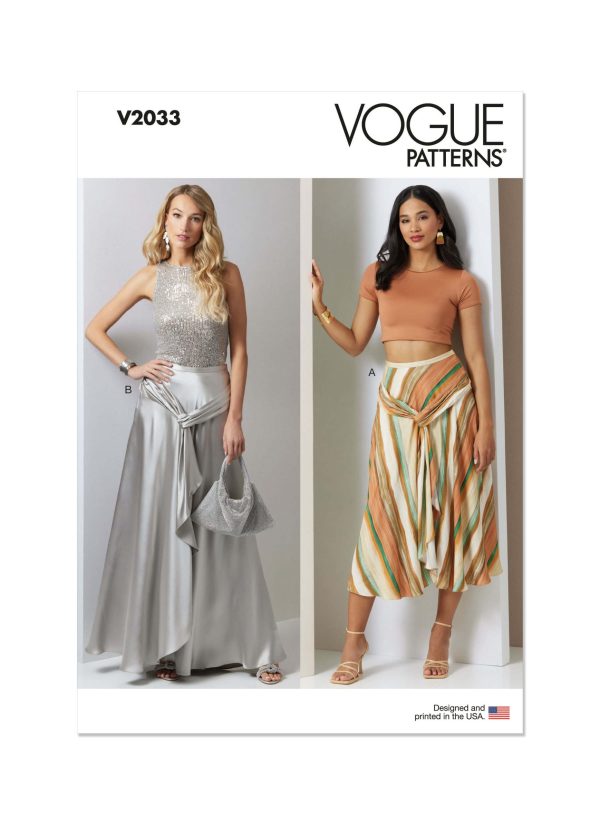 Vogue Patterns V2033 Misses Skirt in Two Lengths
 -
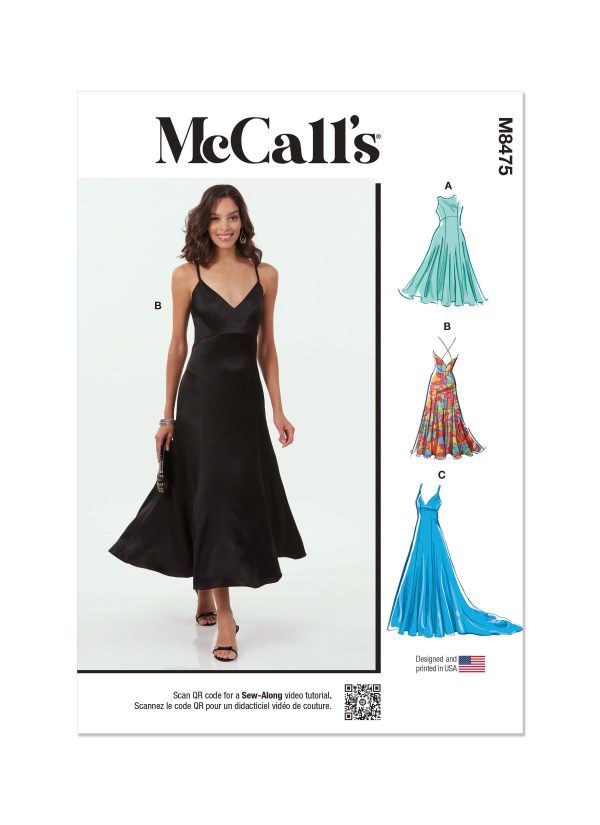 McCall’s Sewing Pattern M8475 Misses’ and Women’s Evening Dresses
 -
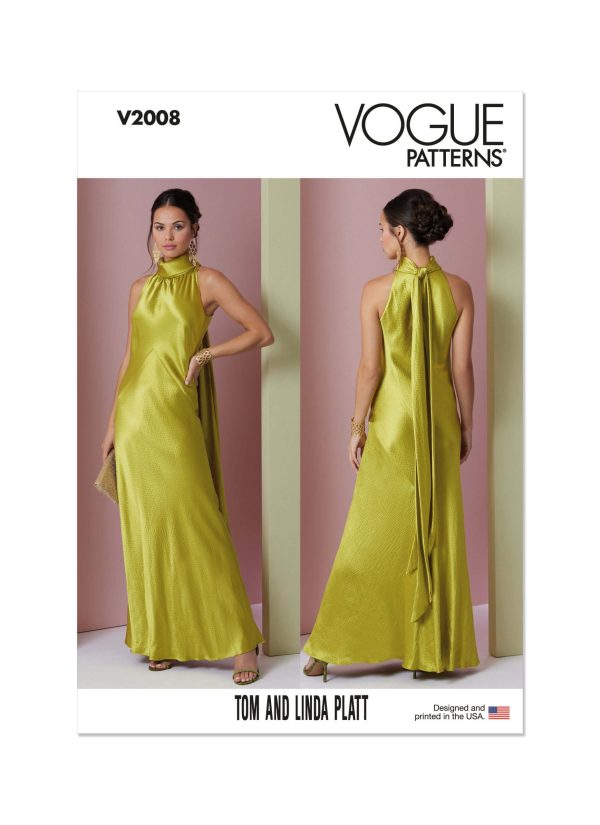 Vogue Patterns V2008 Misses’ Dress by Tom & Linda Platt Inc
 -
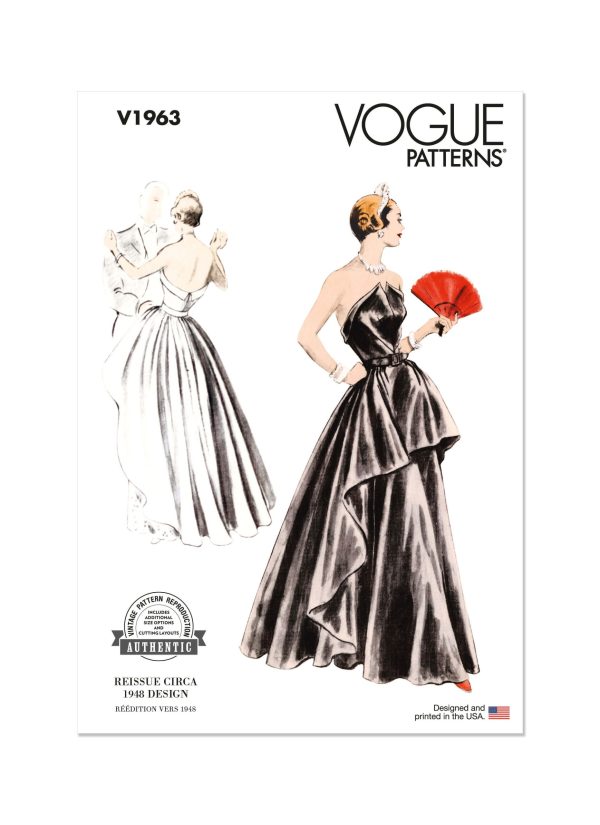 Vogue Patterns V1963 Misses’ Evening Dress
 -
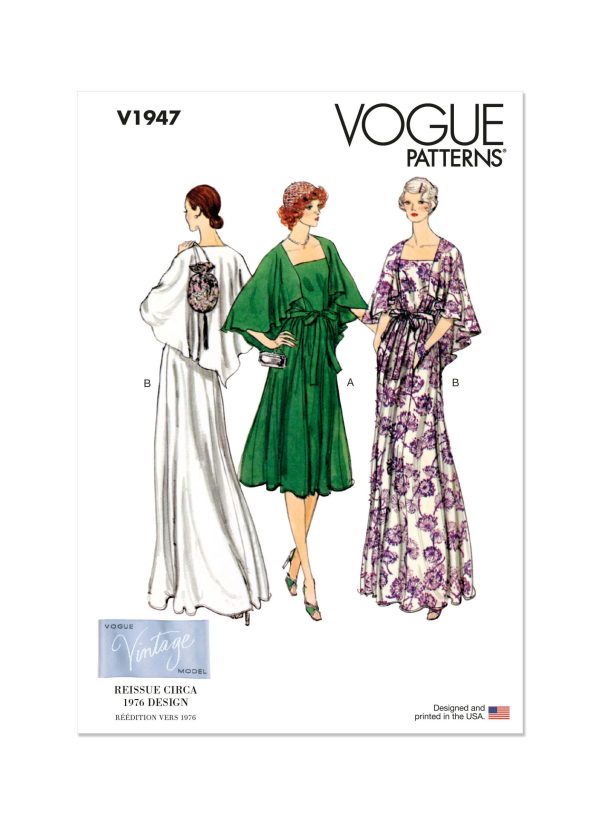 Vogue Patterns V1947 Misses’ Vintage 1970s Evening Dress
 -
 Simplicity Sewing Pattern S9711 Misses’ Pleated Skirts
 -
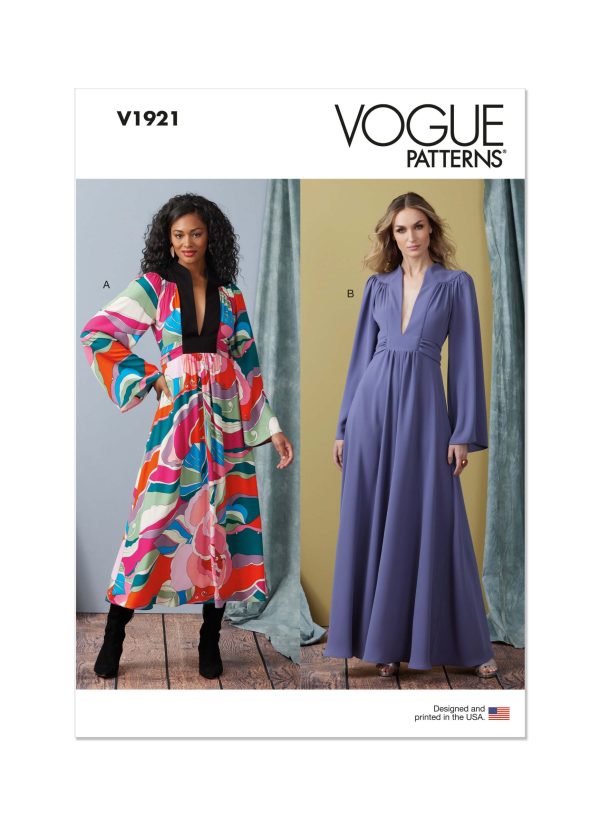 Vogue Patterns V1921 Misses’ Dress in Two Lengths
 -
 Vogue Patterns V1834 Misses’ and Misses’ Petite Robe, Belt, Camisole, Slip, Shorts and Trousers
 -
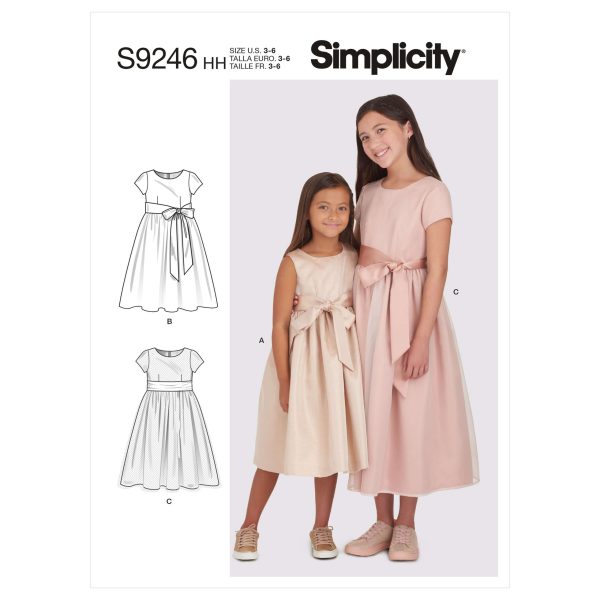 Simplicity Sewing Pattern S9246 Children’s and Girls’ Dresses
 -
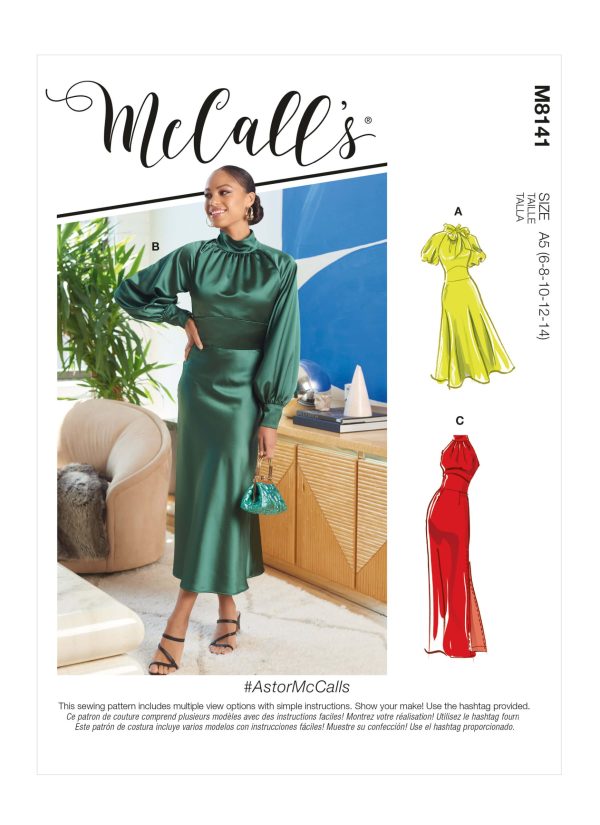 McCall’s Sewing Pattern #AstorMcCalls M8141 – Misses’ Dresses
 -
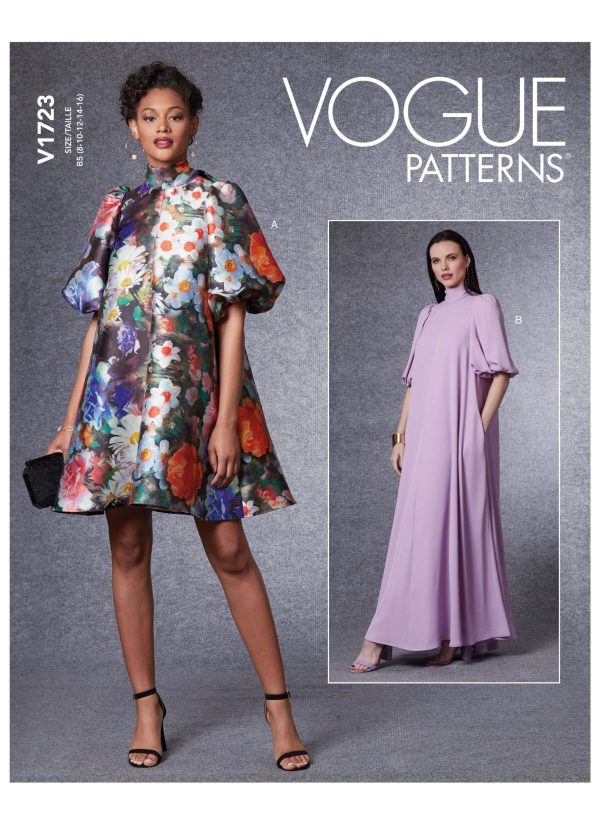 Vogue Patterns V1723 Misses’ Special Occasion Dress
 -
 New Look Sewing Pattern N6662 Misses’ Drape Top & Wide-Leg Trousers
 -
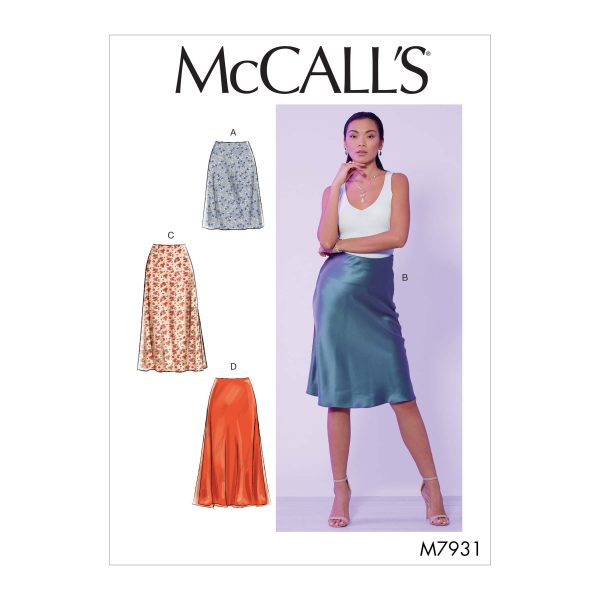 McCall’s Sewing Pattern M7931 Misses’ Skirts
 -
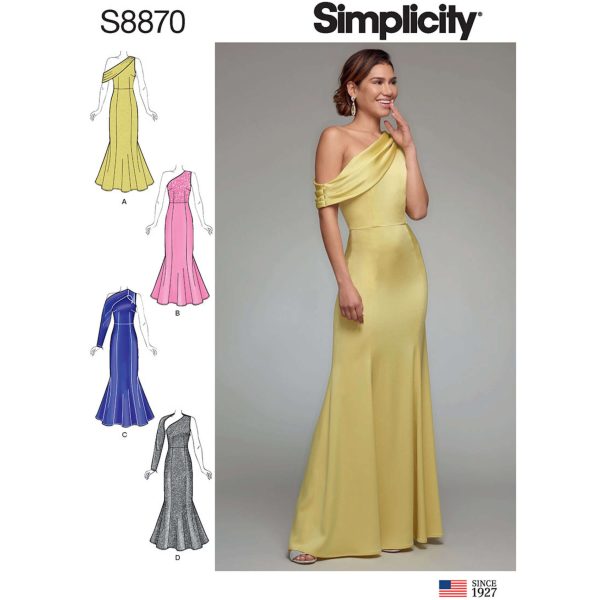 Simplicity Sewing Pattern S8870 Misses’/Miss Petite Dresses
 -
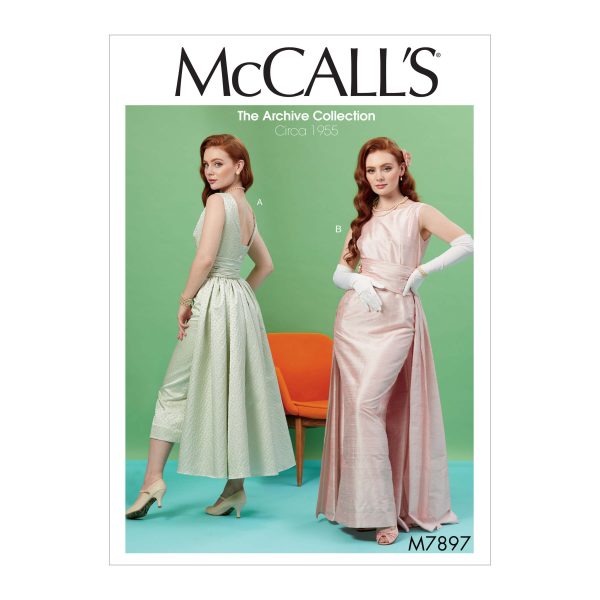 McCall’s Sewing Pattern M7897 Misses’ Dresses
 -
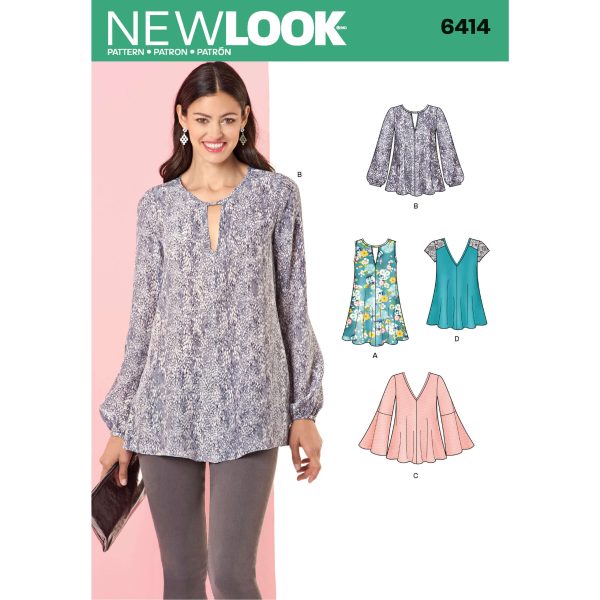 New Look Sewing Pattern N6414 Misses’ Tunic and Top with Neckline Variations
 -
 Simplicity Sewing Pattern S8013 Misses’ Vintage 1970’s Dresses’
 -
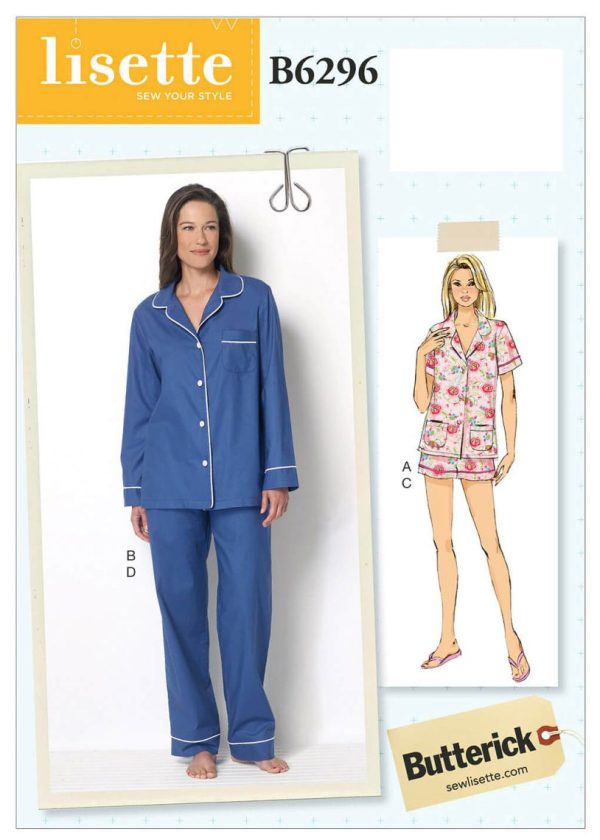 Butterick Sewing Pattern B6296 Lisette Misses’ Top, Shorts and Trousers