
How to Sew with Boucle Tweed
Boucle tweed fabrics are a unique and luxurious choice for sewing projects, known for their textured appearance and complex construction. The surface of the fabric can range from subtly nubby to heavily looped and 3D depending on how looped and loose the weave is. This texture provides a rich, tactile quality and a sense of depth.
Coco Chanel revolutionised fashion by popularising tweed fabrics in women’s clothing during the 1920s. She introduced tweed jackets and suits, transforming this traditionally masculine fabric into an iconic symbol of elegance and sophistication in women’s fashion, blending comfort and style in her timeless designs.
Couture boucle Tweed is usually woven from a combination of wool and other fibres, contributing to its strength and warmth. It often has a striped effect due to the use of decorative horizontal weft threads used. And can also be woven into prints like plaids or houndstooth.
The combination of boucle yarns and tweed weave results in a fabric that is not only visually dynamic but also robust and insulating, making it ideal for outerwear. But sewing with boucle tweed presents distinct challenges and requires specific techniques to achieve the best results.
Pattern choice
Generally wherever you see “Tweed” as a listed fabric on the sewing pattern, you can use boucle. But remember, pattern matching will be difficult across garments with multiple seams.
Boucle is popular for coats and jackets and can be made up as a simple project, or you can choose to follow couture techniques to make a French Tweed Jacket in the style of Chanel, for example with decorative trims, chain hand sewn to the inner hem and quilted lining. We have a range of French Tweed Jacket and Coat patterns to pick from.
You can also make boucle dreses and waistcoats, trousers and skirts. But be wary that boucle is prone to snagging and catching which makes it more suited to garments for the upper half of your body.
Preparation
Working with boucle tweed starts with proper preparation. Pre-washing is still essential to prevent shrinkage; however, due to the wool and other unusual fibre content, dry cleaning or steaming might be preferable to maintain the fabric’s integrity.
This fabric is loosely woven, leading to fraying. Before cutting, it’s advisable to stabilise the fabric by either overlocking/zigzag stitching the raw edges or using a stabiliser/interfacing your pieces. Some sewists also like to use a larger than normal seam allowance to minimise the risks of fraying and repeat the process of finishing the raw edges after cutting out their pattern pieces.
Lining and Interfacing
Boucle tweed garments often require lining to provide structure and comfort. A smooth, lightweight lining fabric can prevent the boucle from catching on undergarments and add a finished look to the inside. Interfacing should be chosen based on the fabric’s weight and the desired structure of the garment. Fusible interfacing can be tricky due to the fabric’s texture, so sew-in interfacing might be a better option.
Cutting
Accurate cutting is crucial due to the complex weave and texture. Lay the fabric flat and use sharp scissors or a rotary cutter and mat. Pattern pieces should be pinned carefully, and weights can help keep the fabric stable. It’s often beneficial to cut a single layer at a time to ensure precision, particularly with patterned tweeds where matching seams is necessary.
Sewing Techniques
When sewing with boucle tweed, a few key techniques can ensure a polished finish:
- Needles and Thread: Use a new, sharp needle, such as a universal or microtex needle, to penetrate the thicker strands of fabric without damaging it. A polyester thread can provide the strength needed for the fabric’s weight and texture.
- Seams: Due to the fabric’s bulk, seams should be pressed open to reduce thickness. A walking foot can help feed the fabric evenly through the machine, preventing puckering. It’s also advisable to use longer stitch lengths to accommodate the fabric’s texture.
- Edge Finishing: Given the tendency of boucle tweed to fray, finishing edges is critical. Overlocking (serging) or using a zigzag stitch on raw edges can prevent unraveling. Alternatively, binding the edges with bias tape (Hong Kong Finish) adds a professional touch and further stabilises the fabric.
- Pressing: Careful pressing is essential. Use a pressing cloth to avoid flattening the boucle texture and to protect the fabric. Steam pressing can help set seams, but be cautious not to distort the fabric. Remember if using a couture tweed, there may be polyester or plastic fibres that can melt under a hot iron.
-
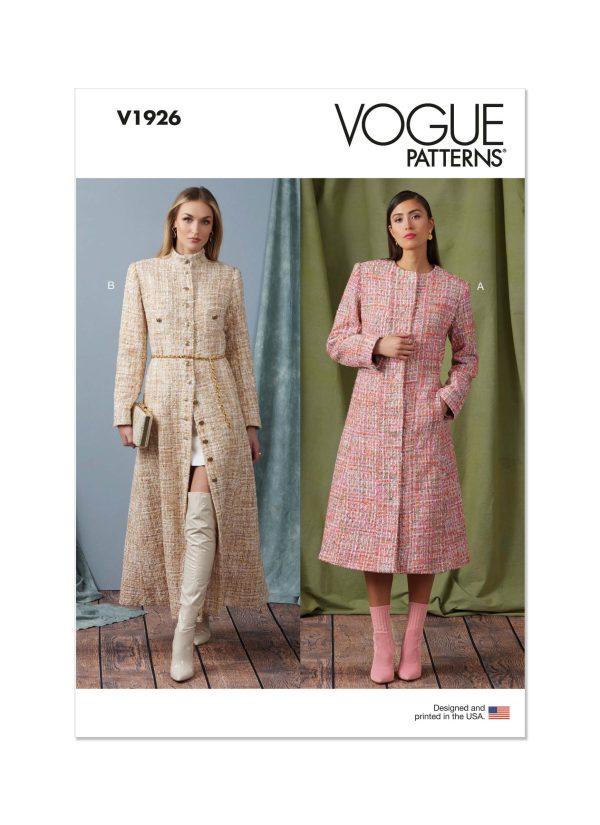 Vogue Patterns V1926 Misses’ Coat
 -
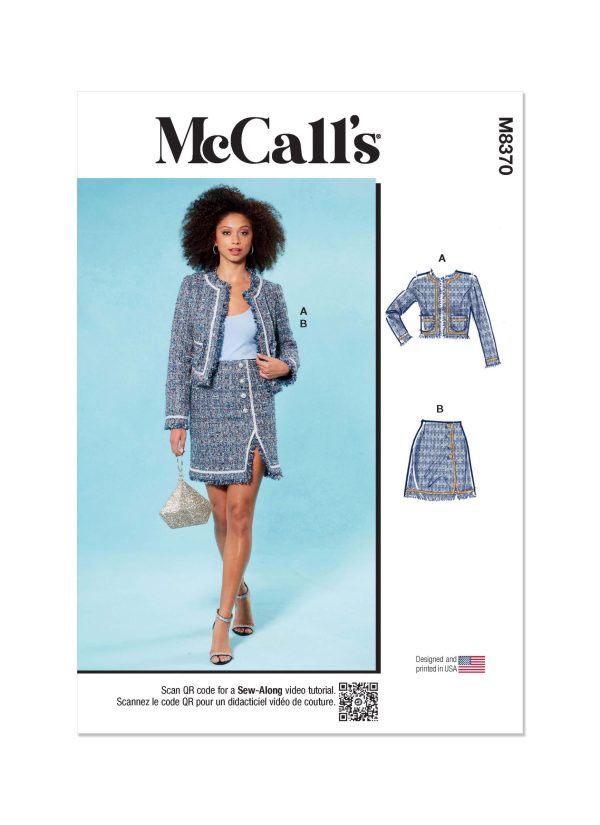 McCall’s Sewing Pattern M8370 Misses’ Jacket and Skirt
 -
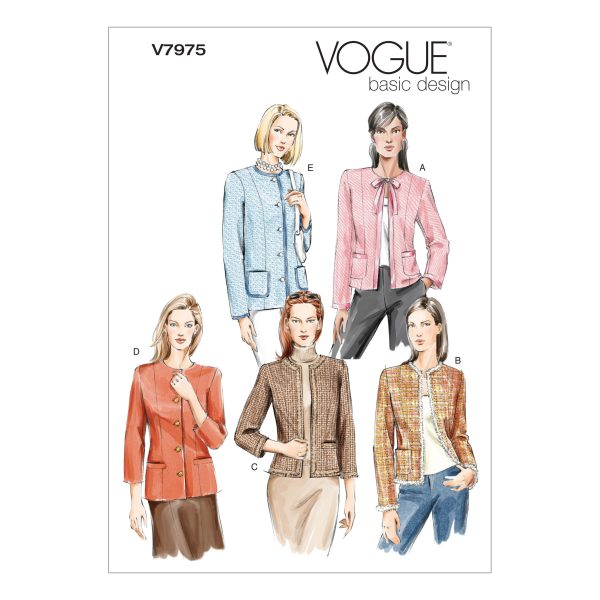 Vogue Patterns V7975 Misses’/Misses’ Petite Jacket
 -
 McCall’s Sewing Pattern M8529 Misses’ Shift Sheath Dress with Sleeve Variations
 -
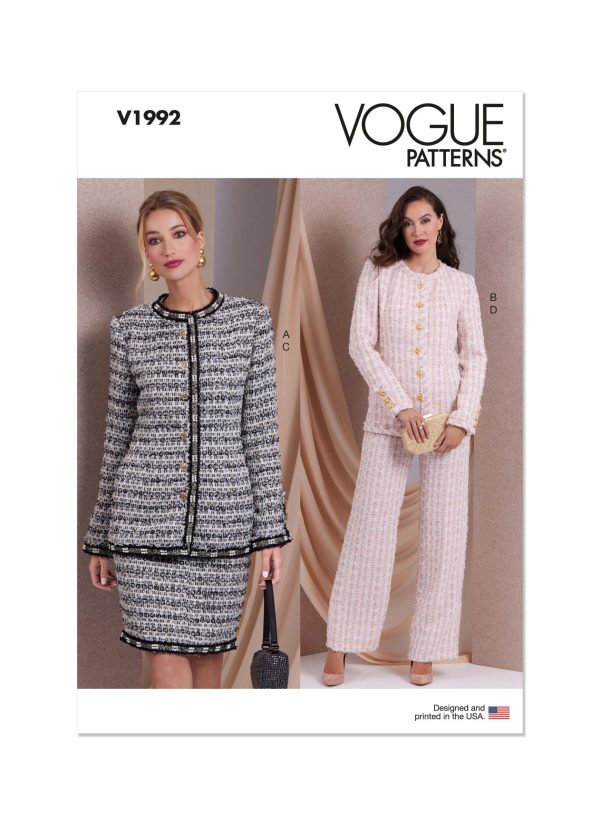 Vogue Patterns V1992 Misses’ Jackets, Skirt and Trousers
 -
 Vogue Patterns V1830 Misses’ Jacket and Trousers
 -
 Vogue Patterns V1972 Misses’ Jacket
 -
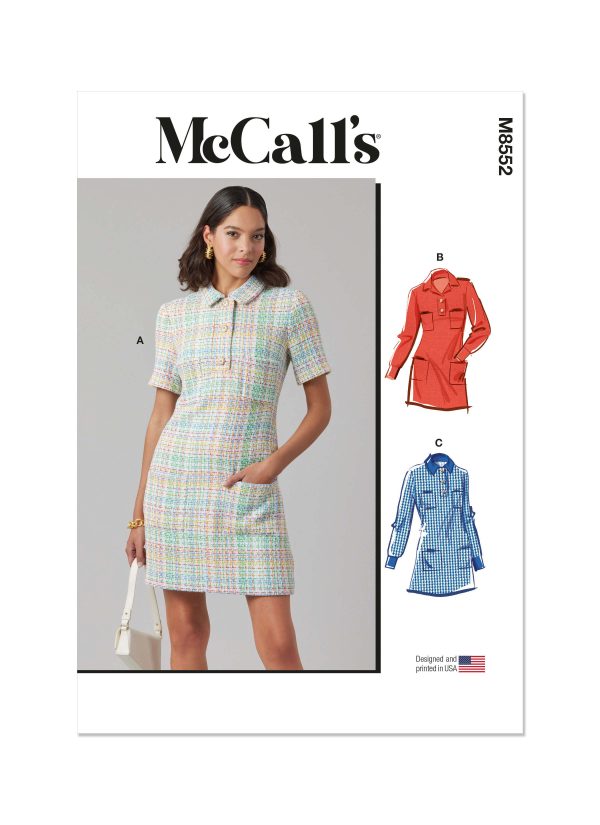 McCall’s Sewing Pattern M8552 Misses’ Dress with Sleeve Variations
 -
 New Look Sewing Pattern N6789 Misses’ Jackets
 -
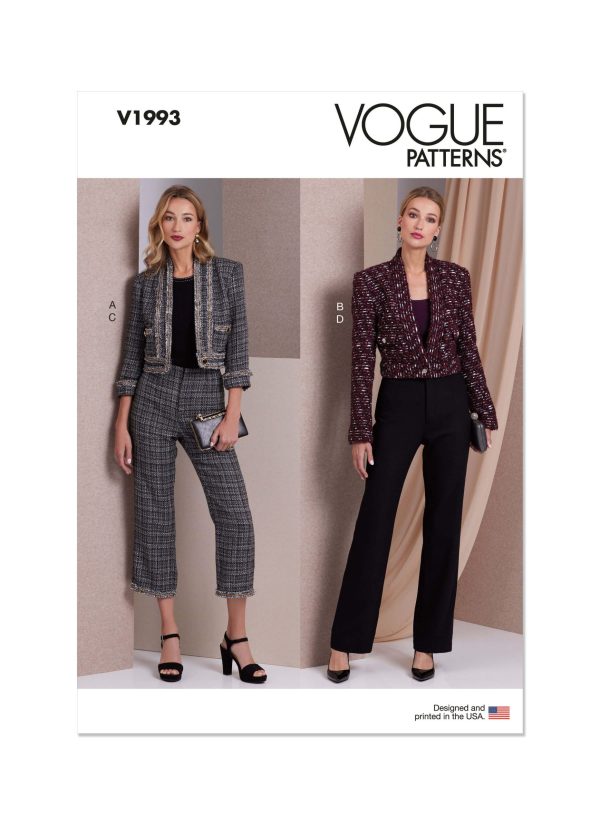 Vogue Patterns V1993 Misses’ Jacket and Trousers
 -
 Simplicity Sewing Pattern S3074 Misses’ and Miss Petite Jacket, Shorts and Trousers
 -
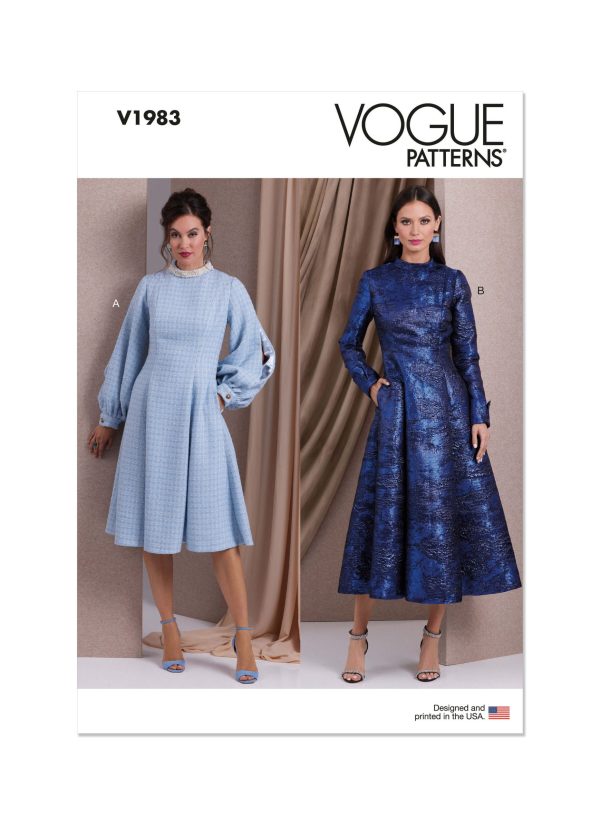 Vogue Patterns V1983 Misses’ Dresses
 -
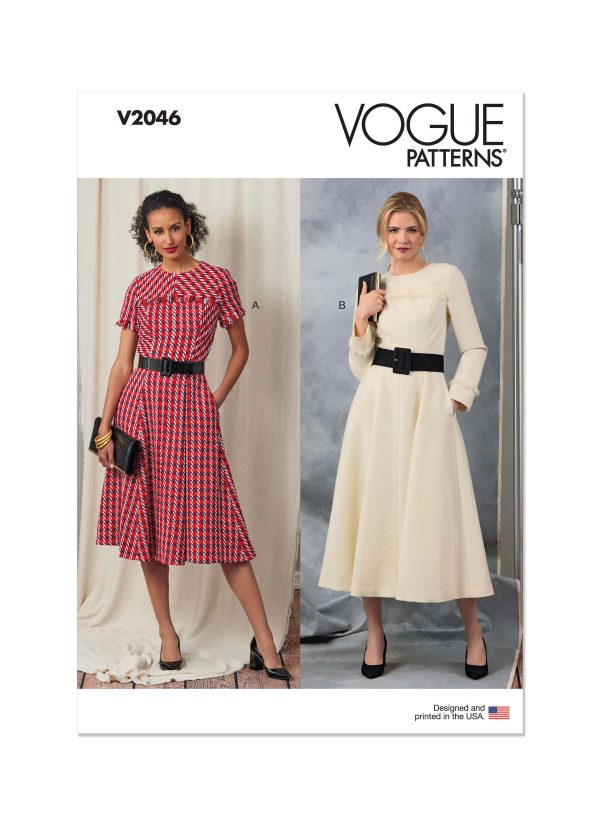 Vogue Sewing Pattern V2046 Misses’ Dress with Sleeve and Length Variations
 -
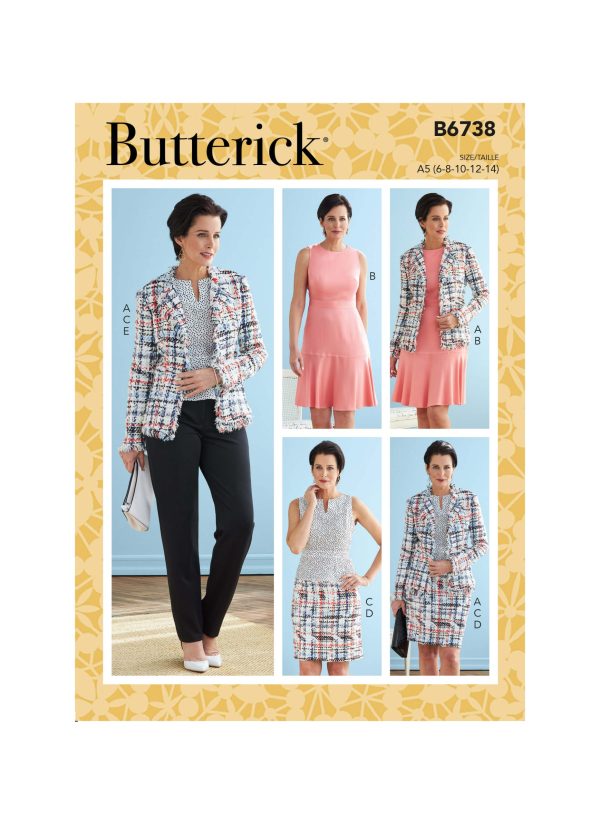 Butterick Sewing Pattern B6738 Misses’ Jacket, Dress, Top, Skirt & Trousers
 -
 Simplicity Sewing Pattern S3084 Misses’ Cape and Dress
 -
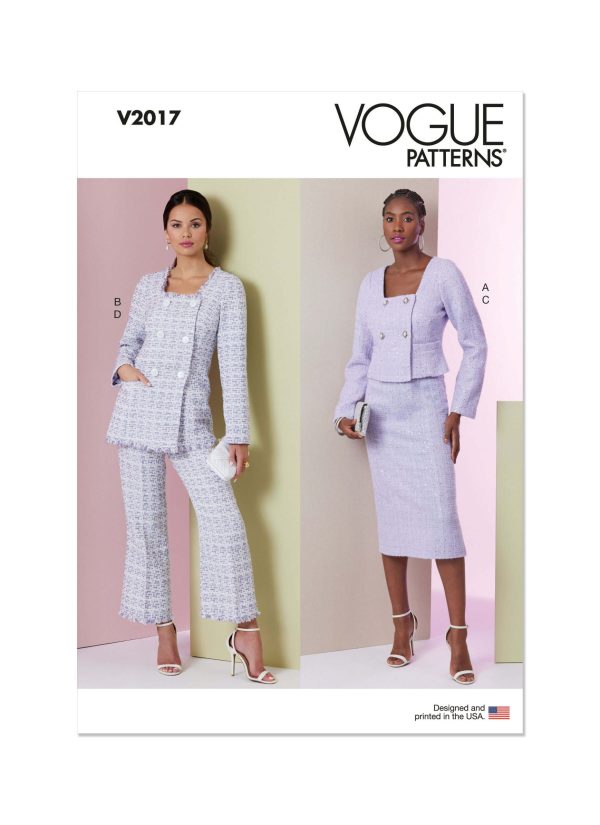 Vogue Patterns V2017 Misses’ Jacket in Two Lengths, Skirt and Trousers
 -
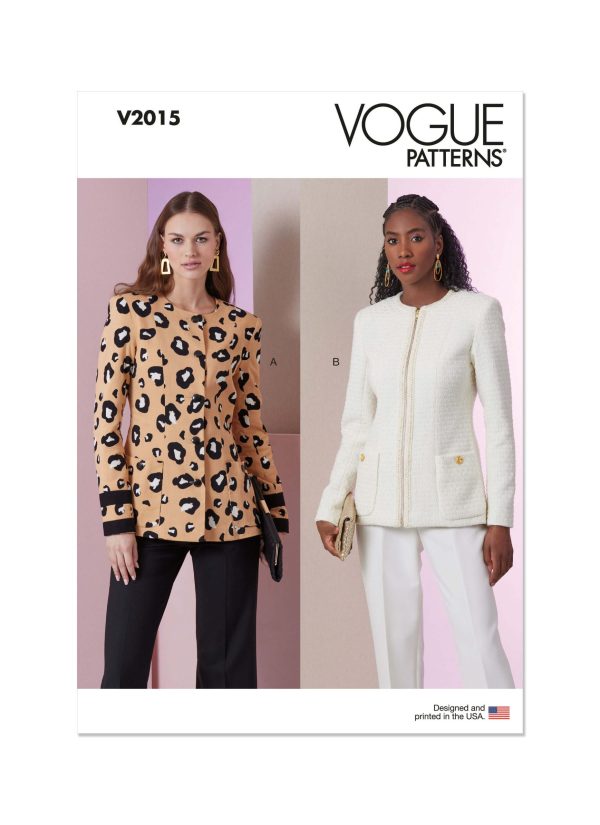 Vogue Patterns V2015 Misses’ Jackets
 -
 Vogue Sewing Pattern V2053 Misses’ Jackets
 -
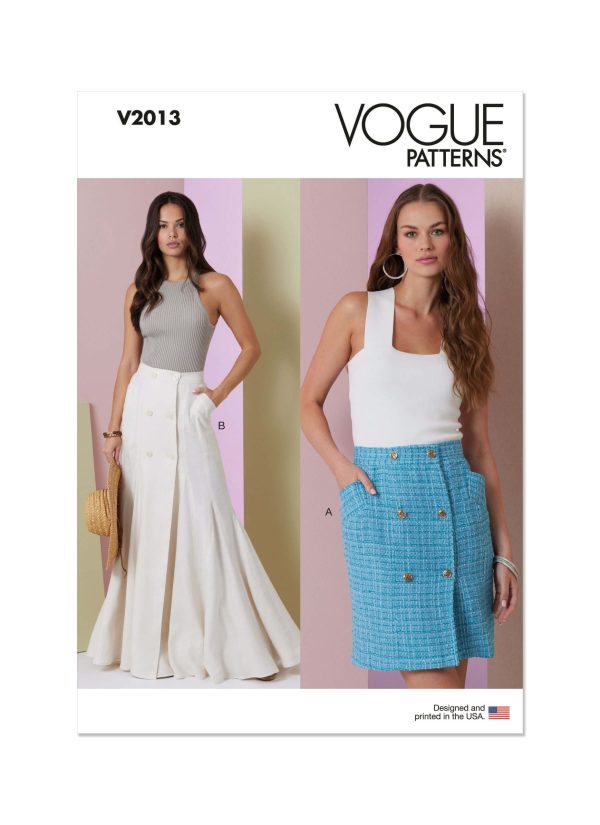 Vogue Patterns V2013 Misses’ Skirt in Two Lengths
 -
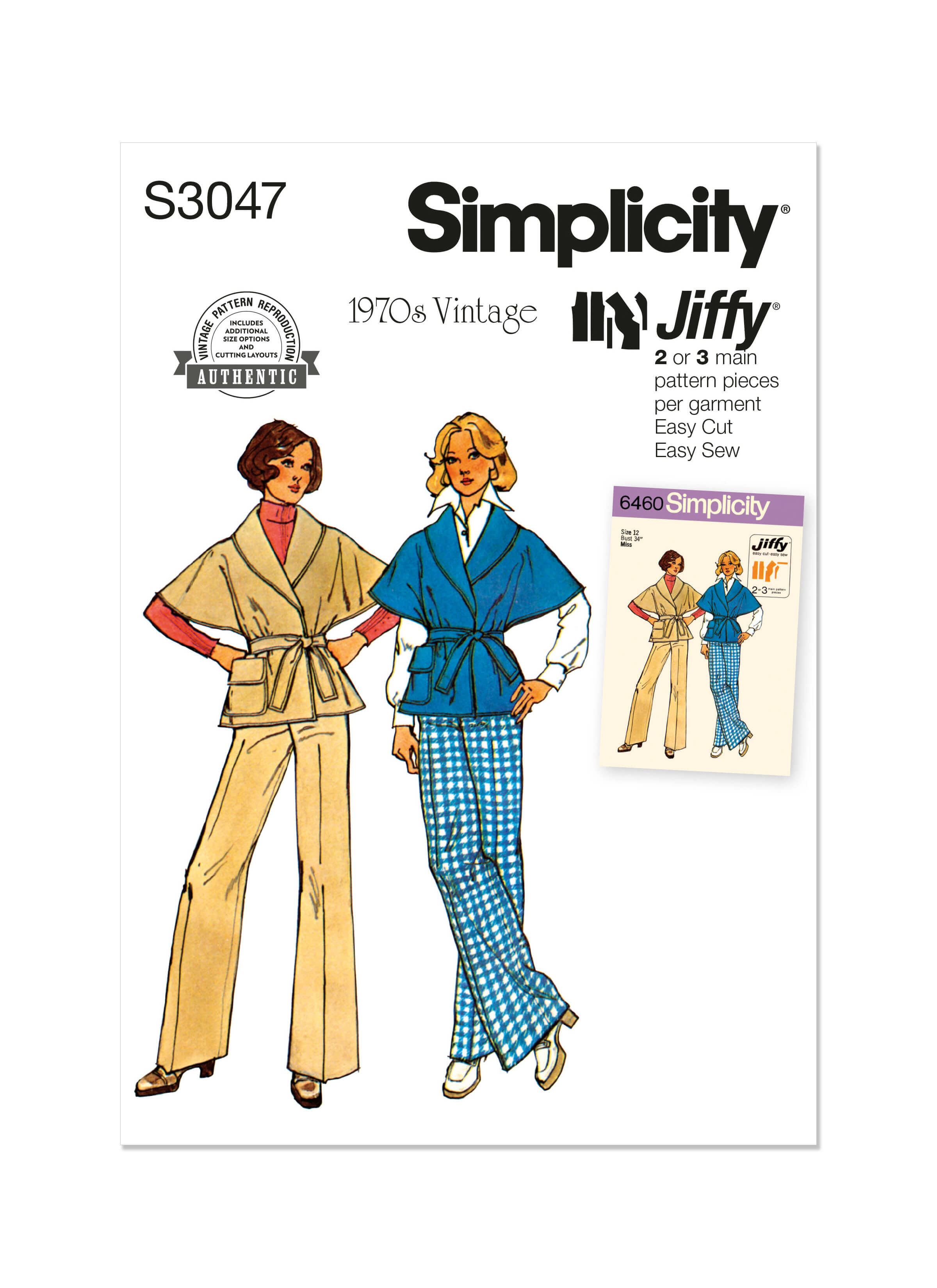 Simplicity Sewing Pattern S3047 Misses’ Vintage Trousers and Jacket
 -
 Simplicity Sewing Pattern S9721 Children’s and Girls’ Jackets, Skirt and Shorts
 -
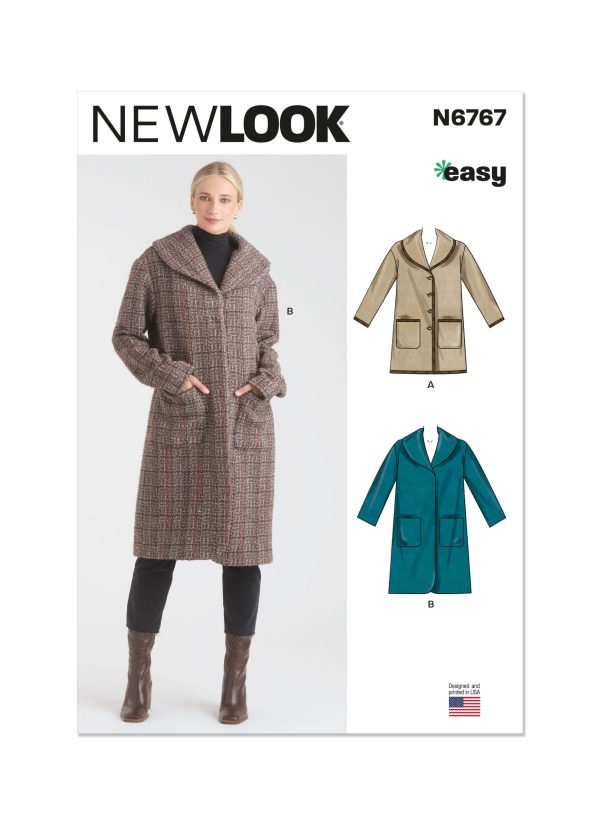 New Look Sewing Pattern N6767 Misses’ Coats
 -
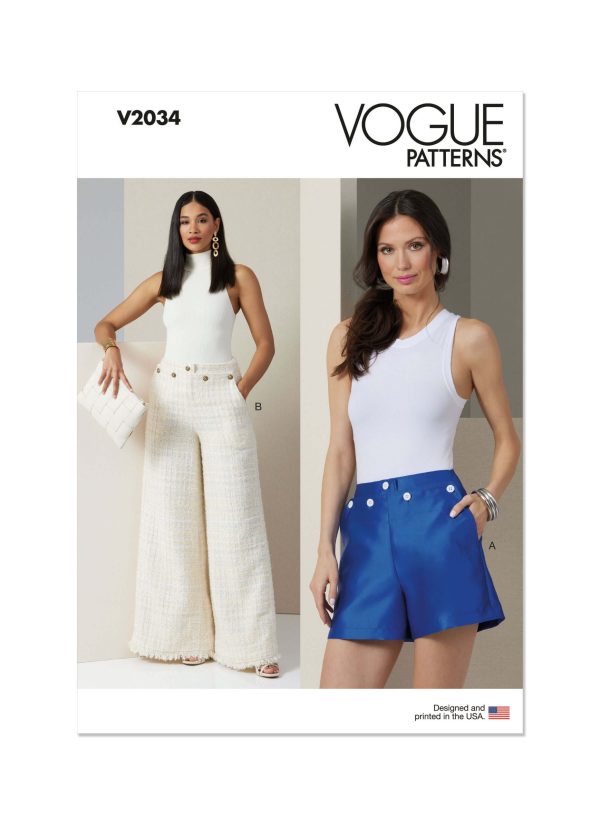 Vogue Patterns V2034 Misses’ Shorts and Trousers