
How To Sew Fleece Fabrics
Fleece is a soft, warm, and stretchy fabric, making it ideal for a variety of projects such as tops, jackets, pyjamas or hats, and scarves. It also works well on children’s toys and accessories. Here are some essential tips and advice for working with fleece to ensure your projects turn out beautifully. And keep reading for our best fleece sewing patterns and projects.
Preparing Your Materials
- Choosing the Right Fleece: Fleece comes in different weights and textures, such as microfleece, polar fleece, and plush fleece. Select the appropriate type for your project, keeping in mind the intended use and desired warmth.
- Pre-Washing: While fleece doesn’t shrink much, it’s a good idea to pre-wash it to remove any manufacturing residues. Use a gentle cycle with cold water and a mild detergent, then air dry or tumble dry on low.
- Cutting the Fabric: Use sharp scissors or a rotary cutter to cut fleece, as it can dull blades quickly. Fleece has a bit of stretch, so cut with care to avoid distorting the fabric. Lay the fabric flat and smooth out any wrinkles before cutting.
- Pattern Placement: Pay attention to the nap (direction of the fibres) when laying out your pattern pieces – we indicate on the back of our envelopes if our yardage recommendations consider nap. And where included, we show nap pattern layouts in the instructions so you can ensure all the pieces face the same direction to avoid colour and texture mismatches.
Sewing Success
- Machine Needle and Thread: Use a ballpoint or stretch needle (size 90/14) to prevent snagging the fabric. Polyester thread is preferable as it has some give, which complements the stretchiness of fleece.
- Stitch Length: Use a longer stitch length, around 3-4 mm. Shorter stitches don’t suit the thicker fabric and can create puckering, plus are very hard to unpick if needed. Test on a scrap piece first to ensure the settings are correct.
- Seam Finishing: Fleece does not fray, so finishing seams is optional. However, for a cleaner look, you can use a serger or a zigzag stitch to neaten the edges. We also love a lapped seam for fleece.
- Handling Bulk: Fleece can be bulky, especially at seams. Trim seam allowances to reduce bulk and consider grading the seams (trimming each layer of the seam allowance to different widths). Use clips instead of pins to avoid leaving marks and to handle thick layers more easily.
Special Tips
- Walking Foot: A walking foot attachment can be very helpful for sewing fleece as it helps feed the fabric evenly, preventing stretching and shifting.
- Interfacing: For areas that need extra stability (like buttonholes or pockets), you might prefer to stabilise rather than interface. Tear-away or water-soluble stabilisers work well with fleece. If your project requires non-stretch areas (like zippers), reinforce the edges with interfacing to prevent stretching. Fusible interfacing is ideal for this purpose.
- Pressing: Be careful when pressing fleece. Use a low heat setting and a pressing cloth to avoid melting the synthetic fibers. Press gently without applying too much pressure.
- Topstitching: Topstitching can add a professional finish to your project. Use a slightly longer stitch length and sew slowly to keep stitches even.
-

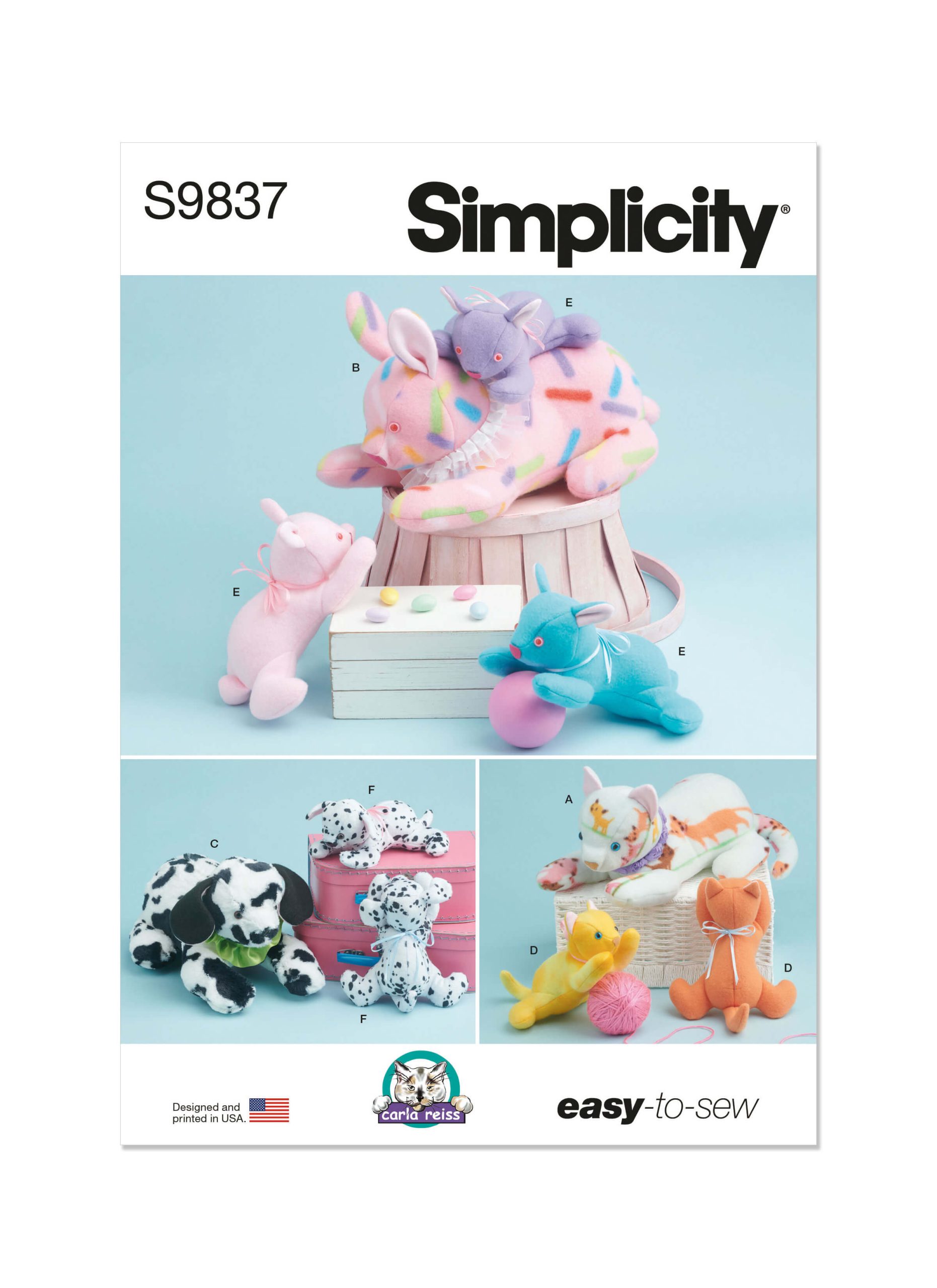
Simplicity Sewing Pattern S9837 Plush Animals by Carla Reiss Design
-

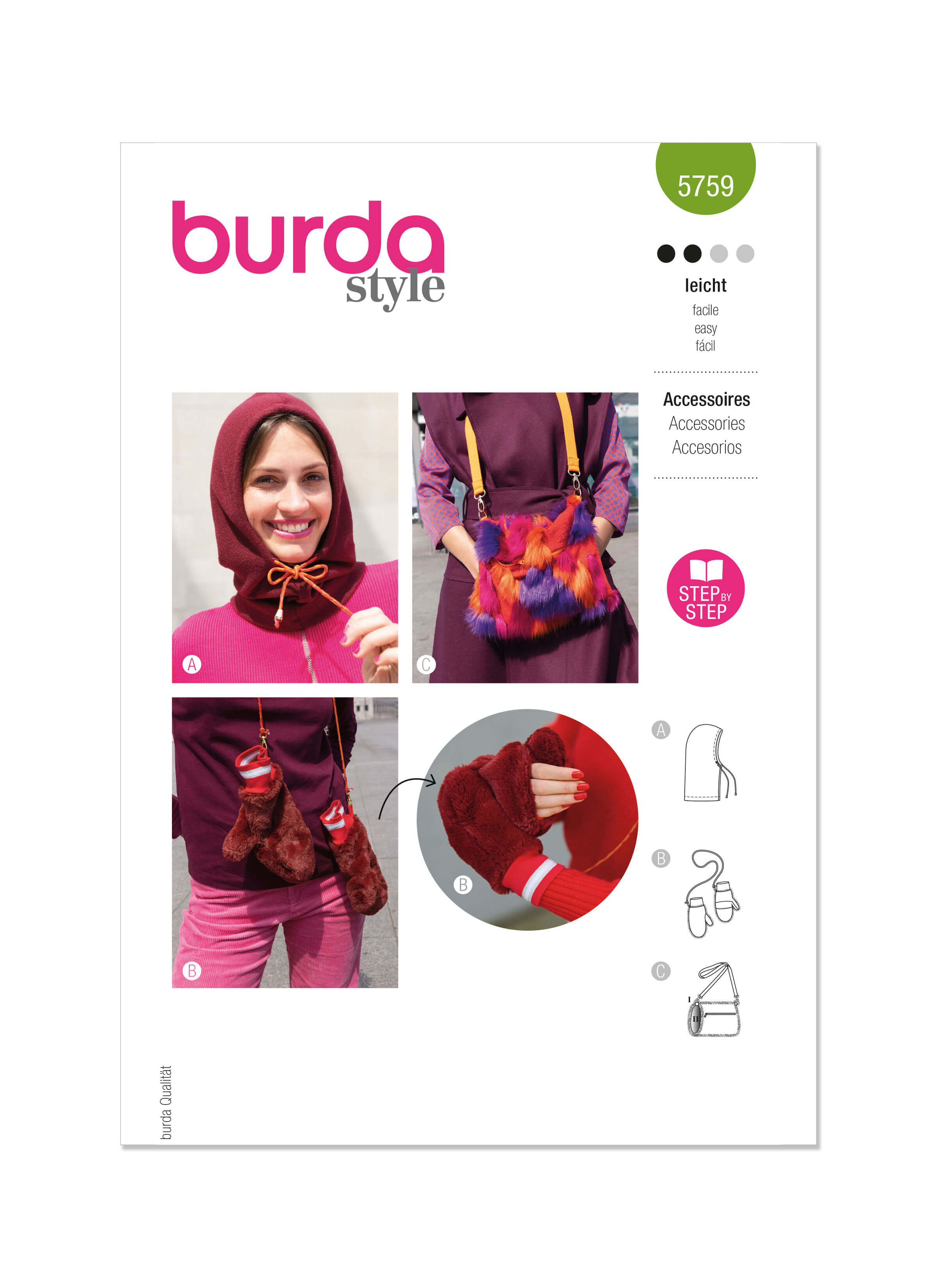
Burda Style Pattern 5759 Accessories
-

Burda Style Pattern B9254 Children’s Sweatshirts
-
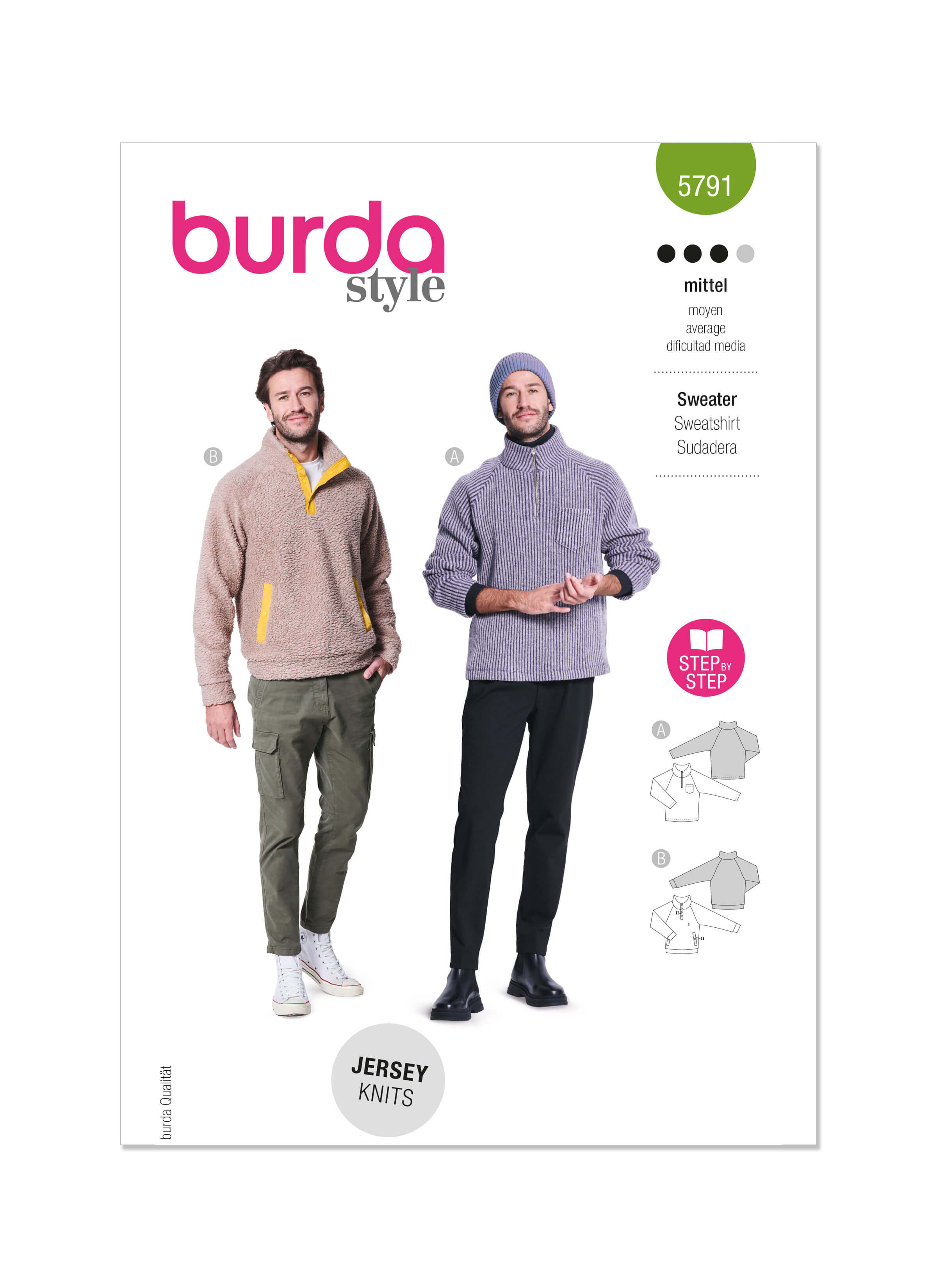
Burda Style Pattern 5791 Men’s Top
-
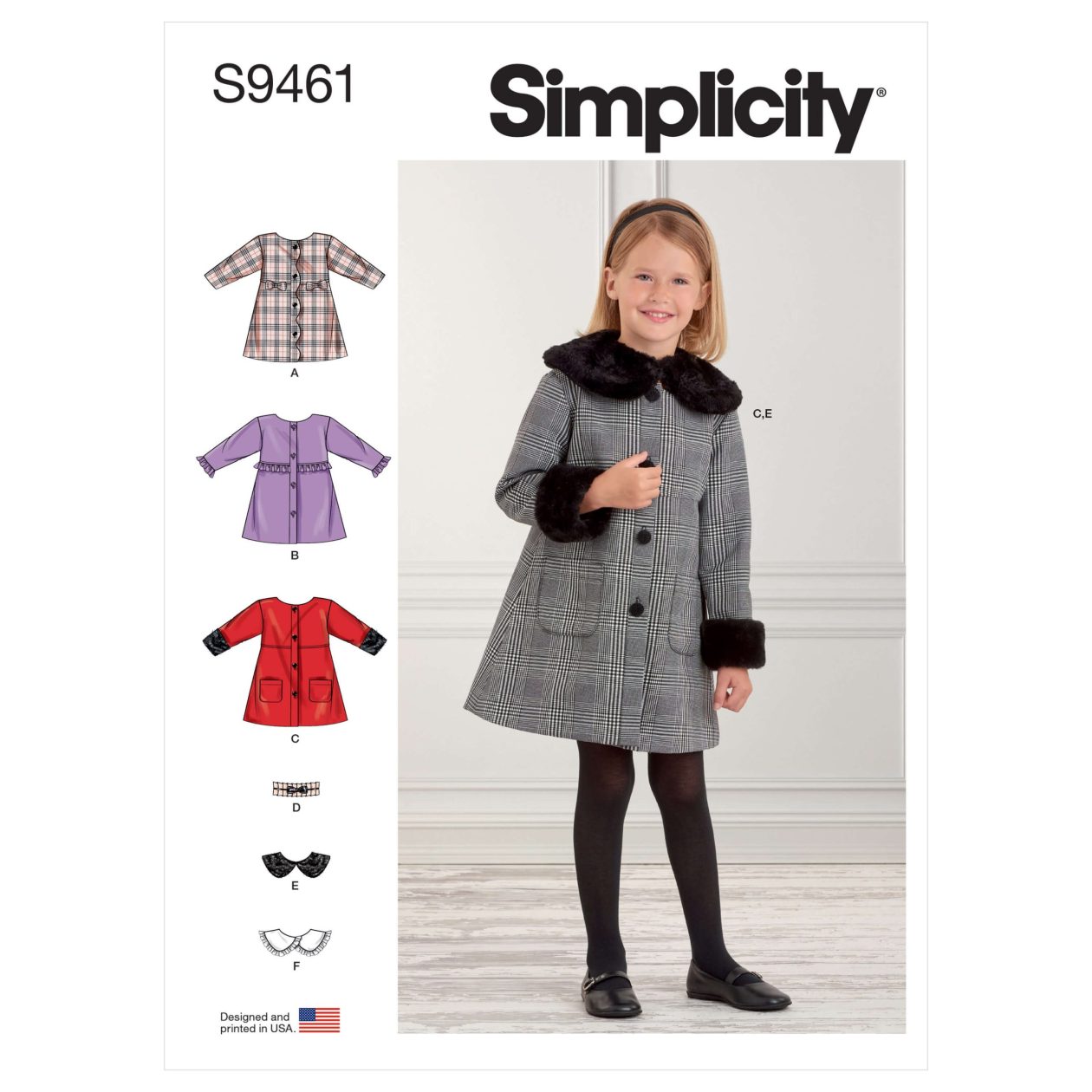
Simplicity Sewing Pattern S9461 Children’s Coat
-
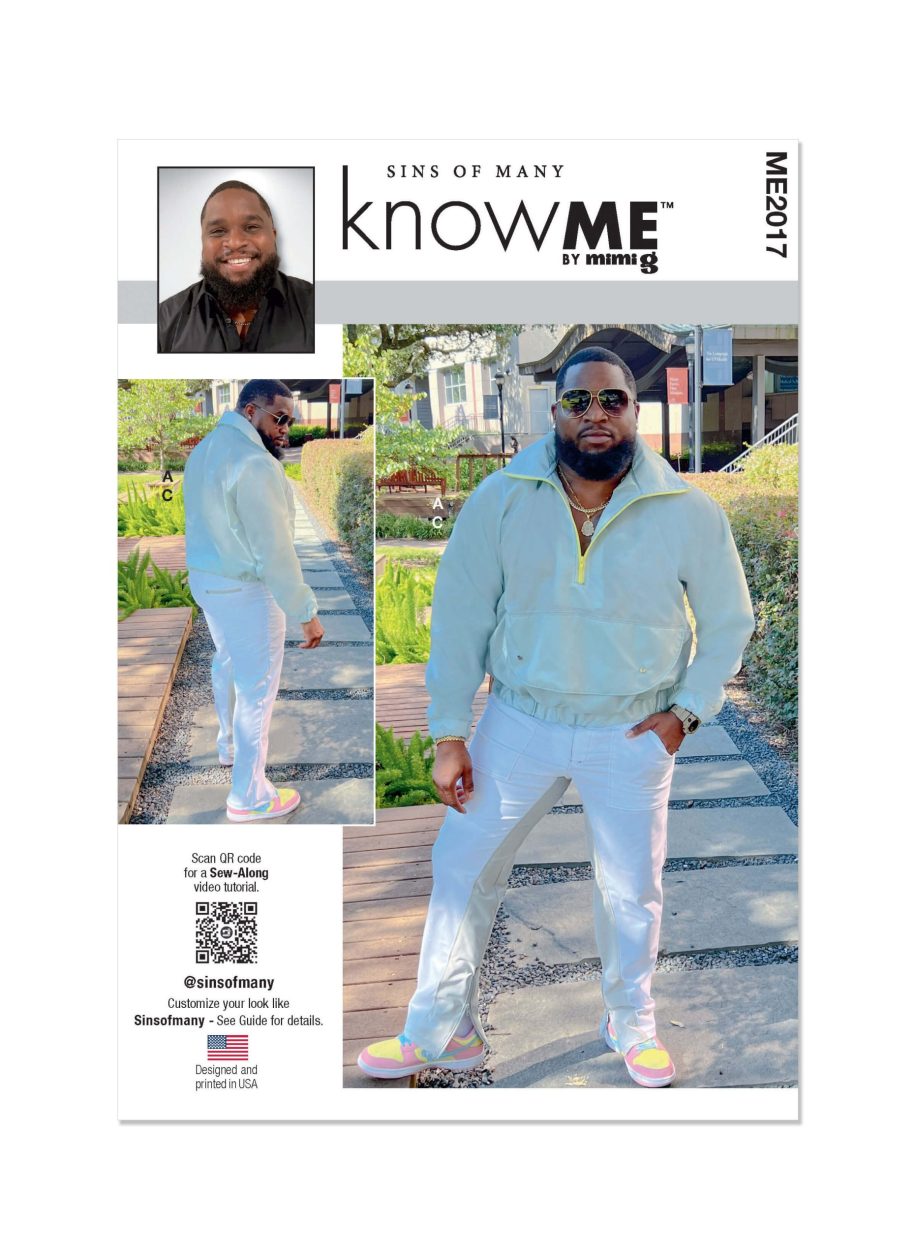
Know Me Sewing Pattern ME2017 Men’s Pullover Jacket and Trousers by Sins of Many
-
Style Arc Carter Dress Sewing Pattern
-
Simplicity Sewing Pattern S9877 Plush Animals by Carla Reiss Design
-
Style Arc Womens Knit Onesie Sewing Pattern